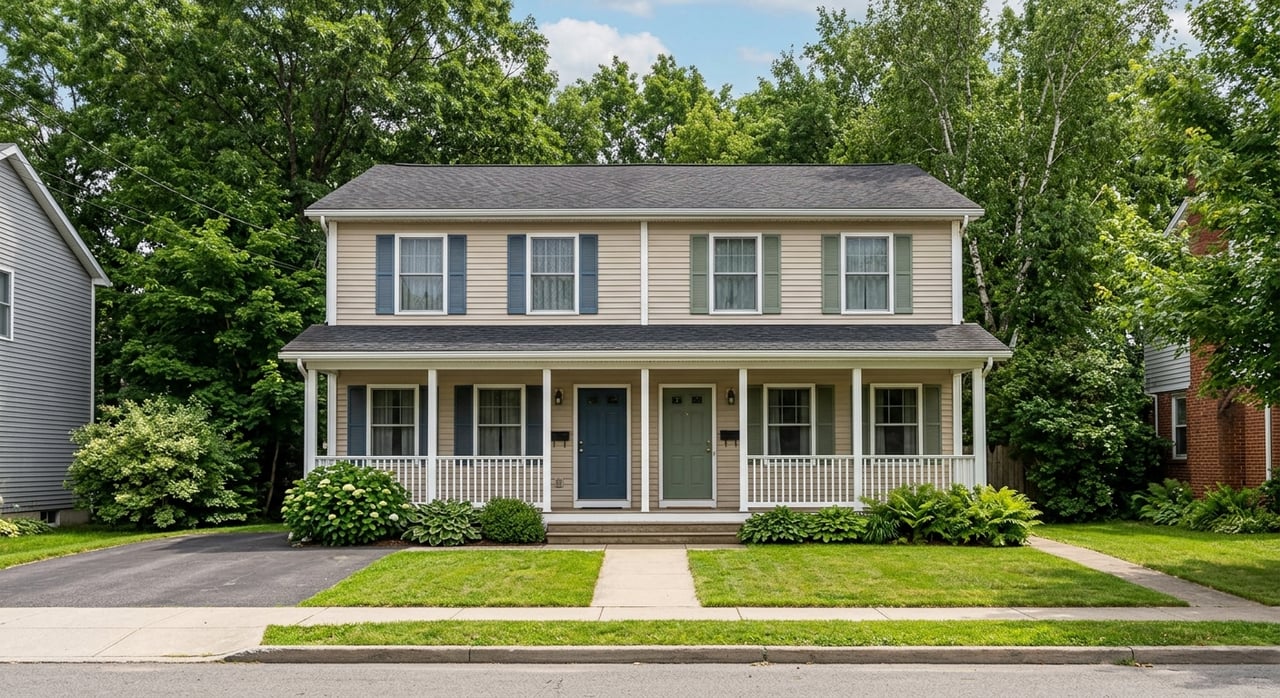
Your Guide to Selling Rental Property in Cincinnati
If you own a rental house or duplex in Cincinnati, selling it can feel more complex than a standard home sale. You are not just pricing a property. You are also dealing with leases, tenant communication, disclosures, showings, and buyers who will look closely at income and expenses. The good news is that with the right plan, you can present your property clearly and protect your time, your tenants, and your bottom line. Let’s dive in.
When you sell a rental or duplex in Cincinnati, most buyers will look at it through an investment lens first. In Greater Cincinnati, multifamily conditions in late 2025 showed an active but mixed market, with 8.1% vacancy, average effective rent of $1,400 per unit, and continued new supply entering the market, according to Cushman & Wakefield’s Cincinnati multifamily report.
That matters because buyers are often less focused on finishes alone and more focused on how the property performs. They will usually study occupancy, rent stability, lease terms, operating costs, and any renovation work that still needs to be done.
Not every Cincinnati-area rental property will be marketed the same way. The same market report shows different vacancy and rent patterns across submarkets, including 14.2% vacancy Downtown/Over-the-Rhine, 9.7% in Clifton/Corryville, 7.0% in Hyde Park/Oakley, 7.8% in Westwood/Price Hill, and 4.1% in West Hamilton County.
In practical terms, that means your selling strategy may depend on where the property sits. A duplex in an urban-core area may need a strong story around lease-up potential or improvements, while a more stable outer-ring property may appeal to buyers looking for predictable cash flow.
A rental or duplex can attract owner-occupants in some cases, but many buyers will still underwrite it like an income-producing property. That is why pricing should go beyond bedroom count and square footage.
For small rental houses and duplexes, buyers often start with gross rent multipliers and comparable sales, based on appraisal guidance for smaller residential income properties. Comparable sales are typically weighed alongside condition, location, income potential, restrictions, amenities, remaining life, and operating-expense ratio, as outlined in this property tax appraisal reference.
Serious buyers will also want to understand the property’s income picture. That often includes effective gross income, operating expenses, and net operating income, or NOI. Appraisal guidance explains that buyers and appraisers often relate NOI to a capitalization rate, so it helps to have clean records for rent, vacancy, taxes, insurance, repairs, and other recurring costs, as described in this income valuation guide.
If your asking price is backed by actual performance, buyers can usually move faster and with more confidence. Clear documentation can also reduce back-and-forth during due diligence.
One of the biggest questions is whether to list the property with tenants in place or wait for lease rollover. The right answer depends on your goals, your lease terms, and how the property is likely to be viewed in the current market.
An occupied property can be attractive if the rents are stable and the units show consistent income. On the other hand, if a lease is ending soon or the property needs updates, some buyers may prefer vacancy so they can renovate, reset rents, or move into one unit.
In Ohio, selling the property does not automatically end a fixed-term lease. If a tenant is under lease, the new owner generally must honor the existing terms until that lease expires, according to guidance from the Fair Housing Contact Service on selling a rental property.
For month-to-month tenancies, Ohio allows either party to end or decline renewal with at least 30 days’ notice before the periodic rental date, based on that same guidance. That timeline can affect whether you market the property as stabilized, partially flexible, or ready for repositioning.
Tenant communication matters for both logistics and goodwill. If your property is occupied, a sale can create uncertainty for the people living there, so a clear and respectful process is important.
For showings, Ohio requires reasonable notice before entry, and 24 hours is presumed reasonable unless there is evidence otherwise. Ohio law also says landlords may not abuse entry rights when showing a property to prospective buyers, as stated in Ohio Revised Code 5321.04.
A few simple steps can make occupied showings smoother:
A thoughtful plan helps preserve cooperation and reduces disruption. It also creates a better showing experience for buyers.
If you are selling a duplex or other 1-to-4-unit residential rental, Ohio’s residential property disclosure rules apply. Under Ohio Revised Code 5302.30, sellers must provide the residential property disclosure form as soon as practicable.
This form covers known material defects and major systems, not just cosmetic issues. For many rental owners, this is an important point because buyers will expect transparency about roofs, plumbing, electrical systems, water intrusion, mechanicals, and other known conditions.
Ohio also requires written residential leases to include the owner and agent name and address. If the lease is oral, that information must be given in writing at the start of occupancy under Ohio Revised Code 5321.18.
Before listing, it is smart to review your lease file and make sure your records are complete. Clean lease documentation can help reduce delays when a buyer reviews your materials.
Investor buyers usually expect more than photos and a short property description. A well-prepared due-diligence package helps your listing feel credible, organized, and easier to underwrite.
According to LoopNet’s due diligence guidance, buyer packages often include current and prior-year operating statements, a current rent roll, in-place leases, title and condition materials, site photos, and an offering memorandum.
For a Cincinnati rental or duplex sale, your file should usually include:
The more complete your package is, the easier it is for buyers to evaluate your property. That can support stronger offers and fewer surprises once the property goes under contract.
Closing a rental property has a few extra moving parts compared with an owner-occupied sale. If a tenancy ends around the time of closing, Ohio requires an itemized statement of any security-deposit deductions within 30 days after termination and delivery of possession, under Ohio Revised Code 5321.16.
That same law states that any security deposit above fifty dollars or one month’s periodic rent, whichever is greater, earns 5% annual interest on the excess if the tenant remains in possession for six months or more. This is the kind of detail that is easy to overlook if you do not prepare early.
After the sale, registration records should also be updated. The City of Cincinnati’s residential rental registration program requires rental units to be registered, and Ohio law requires owners of residential rental property to file owner and parcel information with the county auditor and update changes within 60 days.
If your property transfers ownership, that registration timeline matters. It is one more reason to keep your paperwork organized through closing.
If you are selling an investment property and planning to reinvest, timing may matter beyond the sale itself. The IRS states that a Section 1031 exchange may allow you to defer gain for business- or investment-use real property, but replacement property must be identified within 45 days and received within 180 days, subject to the rules explained in the IRS like-kind exchange tax tips.
A 1031 exchange is not for every seller, but it can shape your timeline and strategy if you plan to move from one investment property into another. If that applies to you, it is helpful to think through the exchange before your property goes live.
Selling a rental or duplex in Cincinnati works best when you match pricing, tenant coordination, and marketing to the property’s actual story. Some listings are best positioned as stable income opportunities. Others are better framed around upside, vacancy flexibility, or renovation potential.
That is where local guidance can make a real difference. High Watch Home Group combines hands-on service with polished marketing and local market insight to help you navigate the details, present your property clearly, and move forward with confidence.
Stay up to date on the latest real estate trends.



Whether working with buyers or sellers, High Watch Home Group provides outstanding professionalism into making they're client’s real estate dreams a reality. Get assistance in determining current property value, crafting a competitive offer, writing and negotiating a contract, and much more. Contact them today.