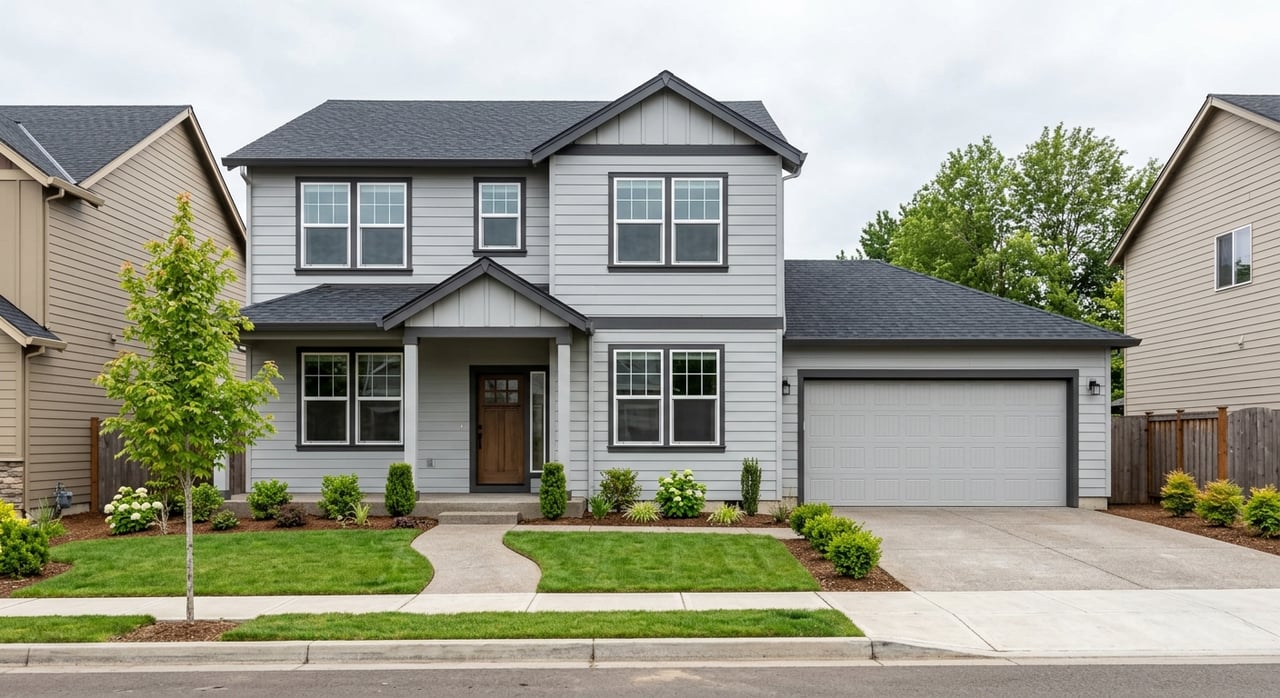
Your Guide to Buying New Construction in Amelia Ohio
Buying a brand-new home around Amelia can feel like the best of both worlds: you get modern layouts, new systems, and fewer immediate repair worries, but you also face choices that resale buyers never have to make. If you are comparing communities, quick move-in homes, or a custom build path, it helps to know what really matters before you sign. This guide walks you through how new construction works in the Amelia area, what to watch for with lots, financing, inspections, and warranties, and how to make smarter decisions from the start. Let’s dive in.
If you are searching for new construction in Amelia, the first thing to know is that “Amelia” can mean more than one jurisdiction. The former Village of Amelia dissolved in 2019, and the area is now part of Batavia and Pierce townships, even though many homes and communities are still marketed with Amelia-area identity. According to Clermont County’s Amelia fact sheet, that makes it especially important to confirm the exact township, zoning authority, and permit process tied to any property you are considering.
That local detail matters even more because Clermont County is growing. County officials say the county set a new permit record in 2025, with especially strong activity in Union, Miami, Batavia, and Pierce townships. The county also connects that growth to infrastructure improvements, job growth, and major employers and projects in the region, which helps explain why more buyers are looking east of Cincinnati.
New construction around Amelia is not a single type of home or buying experience. Based on the research reviewed, buyers are seeing a mix of production homes, quick move-in inventory, lower-maintenance attached options nearby, higher-end single-family communities in Pierce Township, and custom or on-your-lot opportunities across Clermont County.
That range also creates a wide price spread. Current examples in the broader Amelia-area market run from roughly the mid-$300s to the upper-$700s, which can make new construction a realistic option for some buyers and a premium option for others. Your first step is to decide whether you want convenience, flexibility, or the ability to personalize from the ground up.
If you want a more predictable process, a production or quick move-in home may be the easiest path. These homes are often already under construction or nearly complete, which can simplify timelines and financing. You may have fewer design choices, but you can usually see the lot, layout, and estimated completion date more clearly.
This route often works well if you need to move on a defined schedule. It can also reduce the number of decisions you have to make compared with a fully custom build. For many buyers, that tradeoff feels worth it.
If you already own land, want more control over the floor plan, or need a home that fits a specific site, custom building may be the better fit. This path gives you more flexibility, but it usually requires more planning around the lot, utilities, approvals, and financing.
Custom building is often where buyers underestimate complexity. The house plan is only part of the story. Site work, drainage, utility access, and township approvals can have a major impact on cost and timeline.
With new construction, the lot can be just as important as the home itself. A beautiful floor plan on a difficult site can create delays, surprise costs, or limitations you did not expect. That is why lot selection should go beyond curb appeal.
Clermont County’s permit system makes this clear. According to Clermont County Permit Central, sewer and water permits must be granted before a building permit is issued, zoning approval must come from the township or village, and occupancy is not approved until final inspections are complete and a Certificate of Occupancy is issued.
Before you move forward, ask questions like:
Those questions are not just technical. They affect your cost, your timeline, and your long-term experience in the home.
For lots in this area, planning and future land use matter more than many buyers realize. Batavia Township planning and zoning materials specifically highlight future land use decisions, roadways, sewer accessibility, and soil conditions. That means a lot that looks simple at first glance may still require more research before you commit.
Pierce Township also notes that building-code review is handled through Clermont County rather than the township itself. That separation can be easy to miss if you are new to the process, but it is important when you are trying to understand who approves what and when.
New construction usually moves in phases, and each phase has its own decisions. In a production community, you may reserve a lot or a home in progress, choose finishes from a set menu, and track the build toward closing. In a custom scenario, you may spend more time upfront on land review, plan approval, budget alignment, and construction financing.
Clermont County says residential plan review is targeted at 10 to 15 business days once plans are submitted through the permit process. That does not mean every build moves quickly from start to finish, but it does give you a useful benchmark for one piece of the local timeline. Occupancy still depends on passing final inspections and receiving the Certificate of Occupancy.
A brand-new home still needs an independent inspection. That is one of the most important points for Amelia-area buyers to understand. County inspections are part of the code and occupancy process, but they are not the same as hiring your own inspector to represent your interests.
The Consumer Financial Protection Bureau recommends scheduling an independent home inspection with a professional who is accountable to you, not the seller or another party in the deal. That independent review can help you identify incomplete items, workmanship concerns, or issues to address before closing.
Your inspector may help identify:
Even if the home is brand new, your own inspection adds another layer of protection. It also gives you a clearer punch-list conversation before you take ownership.
Many buyers assume a builder warranty covers everything in a new home for years. In reality, warranty coverage is often limited, broken into categories, and subject to deadlines and exclusions.
According to the Federal Trade Commission’s guidance on new-home warranties, builders often provide different coverage periods for different parts of the home. Workmanship and materials may have a shorter coverage period, major systems may have a different term, and structural coverage may extend longer. The FTC also notes that builder warranties are not the same as home warranty service contracts.
Based on FTC guidance, buyers should expect that:
It is smart to request warranty documents early, not just at closing. If you ever need to make a claim, the FTC recommends doing it in writing and keeping detailed records.
Financing for new construction is not always the same. The biggest dividing line is usually whether you are buying a completed or nearly completed home versus building from scratch on a lot.
A spec or quick move-in home often works more like a standard resale purchase. A custom home or build-on-your-lot project is more likely to involve construction-to-permanent financing. Fannie Mae’s construction-to-permanent financing overview explains that these transactions can be structured as single-closing or two-closing loans, and the lot ownership question plays a key role.
If you already own the lot, your financing path may look different than a buyer who is purchasing both land and home together. That is one reason to talk about financing early, especially if you are leaning toward a custom build. The sooner you understand how the lender views the land, the smoother your planning can be.
For higher-priced builds, loan limits can matter too. The FHFA says the 2026 baseline conforming loan limit for one-unit homes in most of the United States is $832,750, which may become relevant if your purchase price rises with upgrades, lot premiums, or custom features.
If upfront cash is one of your biggest concerns, state-backed programs may help. The Ohio Housing Finance Agency offers 30-year fixed-rate conventional, FHA, VA, and USDA-RD loans, plus down payment assistance for qualified borrowers.
As of July 1, 2025, OHFA reports assistance of 3% for conventional loans and 3.5% for government loans, with homebuyer education required for qualified borrowers. For buyers comparing new construction to resale, that can make a meaningful difference in how much cash you need to bring to closing.
New construction can be exciting, but it still rewards careful planning. The best results usually come from asking detailed questions early, reviewing paperwork closely, and understanding where the biggest risks really are.
As you compare options around Amelia, focus on these basics:
If you want guidance sorting through communities, lot questions, or the difference between new construction and resale in the Greater Cincinnati market, High Watch Home Group is here to help you make a confident move.
Stay up to date on the latest real estate trends.
Whether working with buyers or sellers, High Watch Home Group provides outstanding professionalism into making they're client’s real estate dreams a reality. Get assistance in determining current property value, crafting a competitive offer, writing and negotiating a contract, and much more. Contact them today.