Moving to Milford Ohio for Housing, Commute, and Lifestyle
Thinking about leaving Cincinnati for a little more breathing room without giving up access to downtown? Milford often lands on that shortlist for a reason. If you are weighing the move, this guide will help you compare housing, commute patterns, and everyday lifestyle so you can decide whether Milford fits the way you want to live. Let’s dive in.
Milford sits about 16 miles east of downtown Cincinnati in Clermont County, across the Little Miami Scenic River. City materials describe it as wooded, hilly, historic, and less frenetic than the urban core. That difference shapes almost everything about daily life.
If you are coming from a neighborhood like Over-the-Rhine, Clifton, Oakley, Hyde Park, or Mt. Lookout, Milford will likely feel slower paced and more spread out. At the same time, it still offers a recognizable connection to the east side and to downtown Cincinnati. For many buyers, that balance is the appeal.
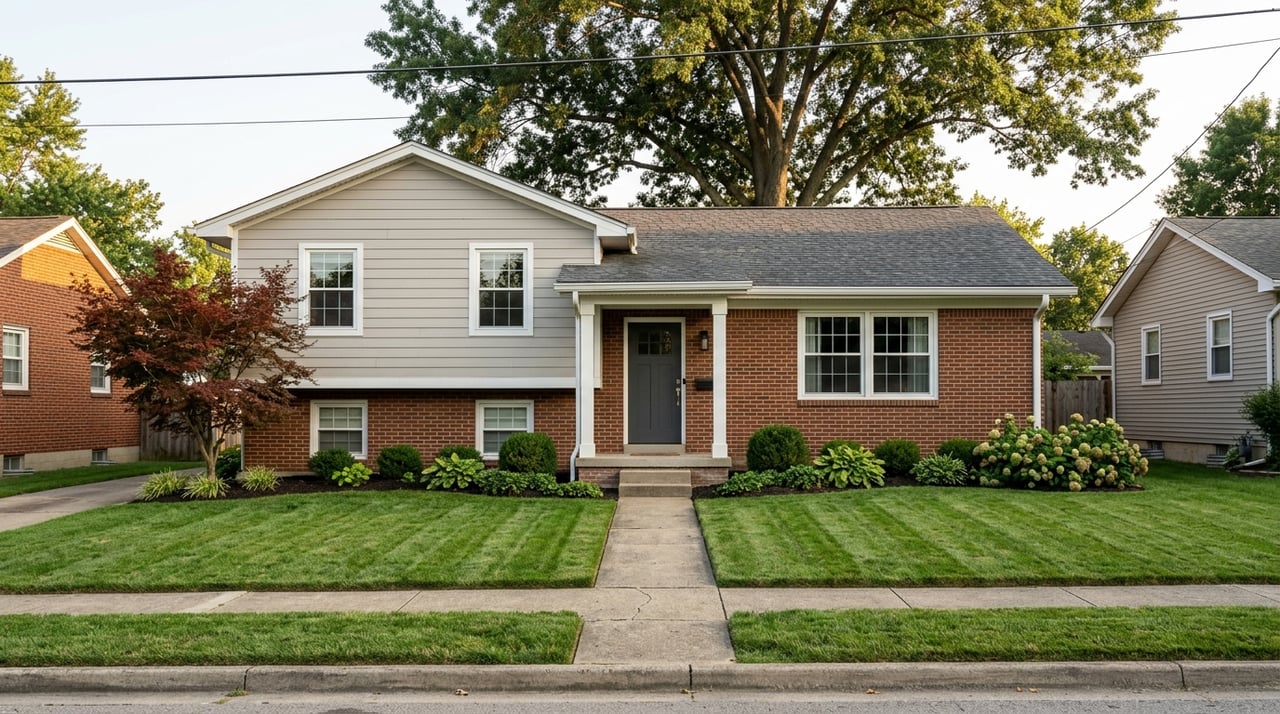
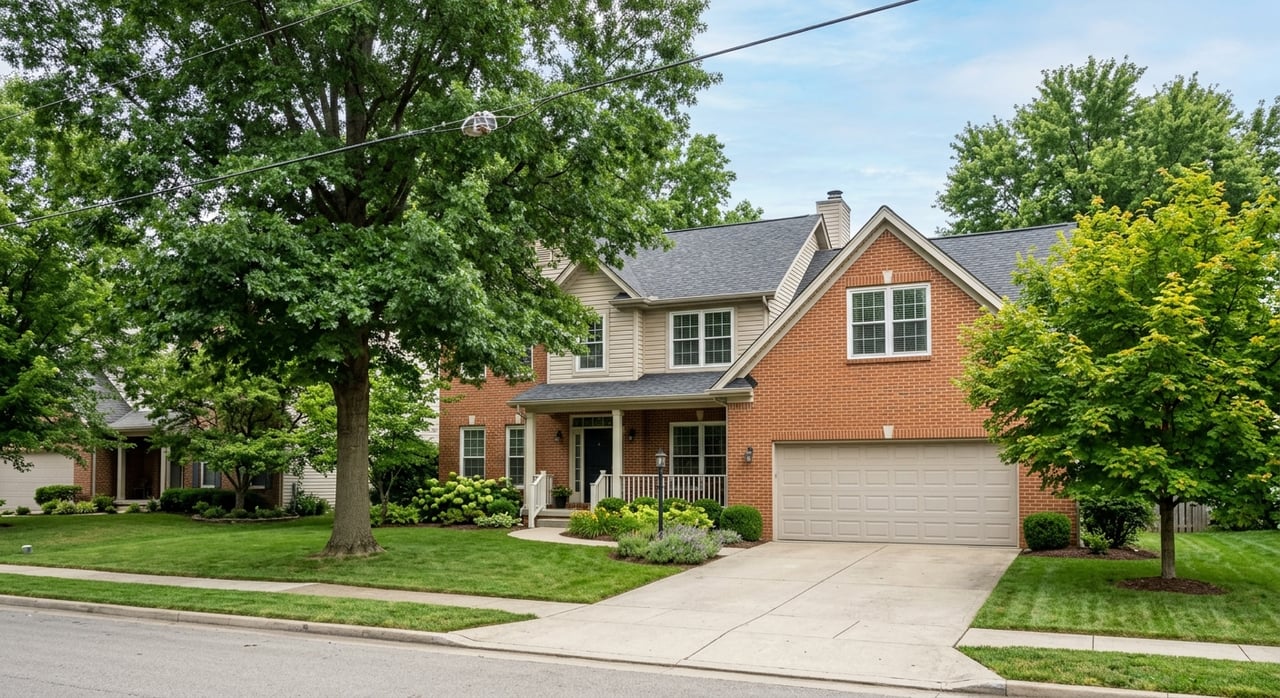
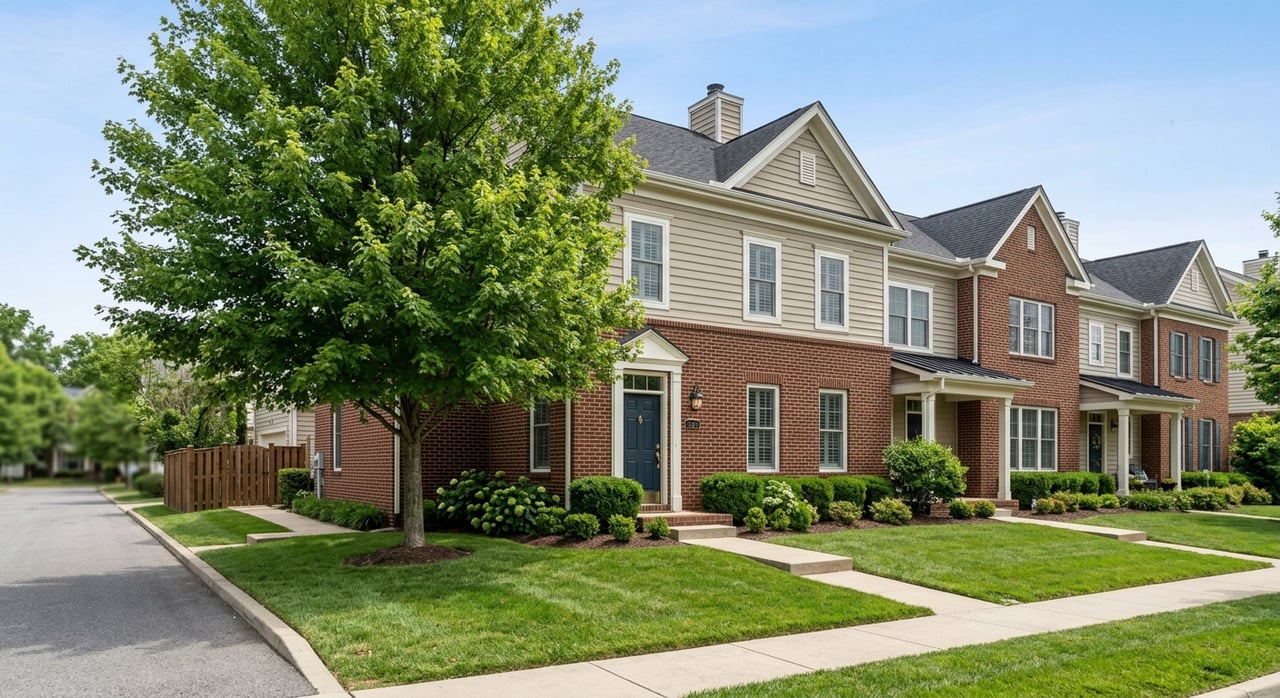
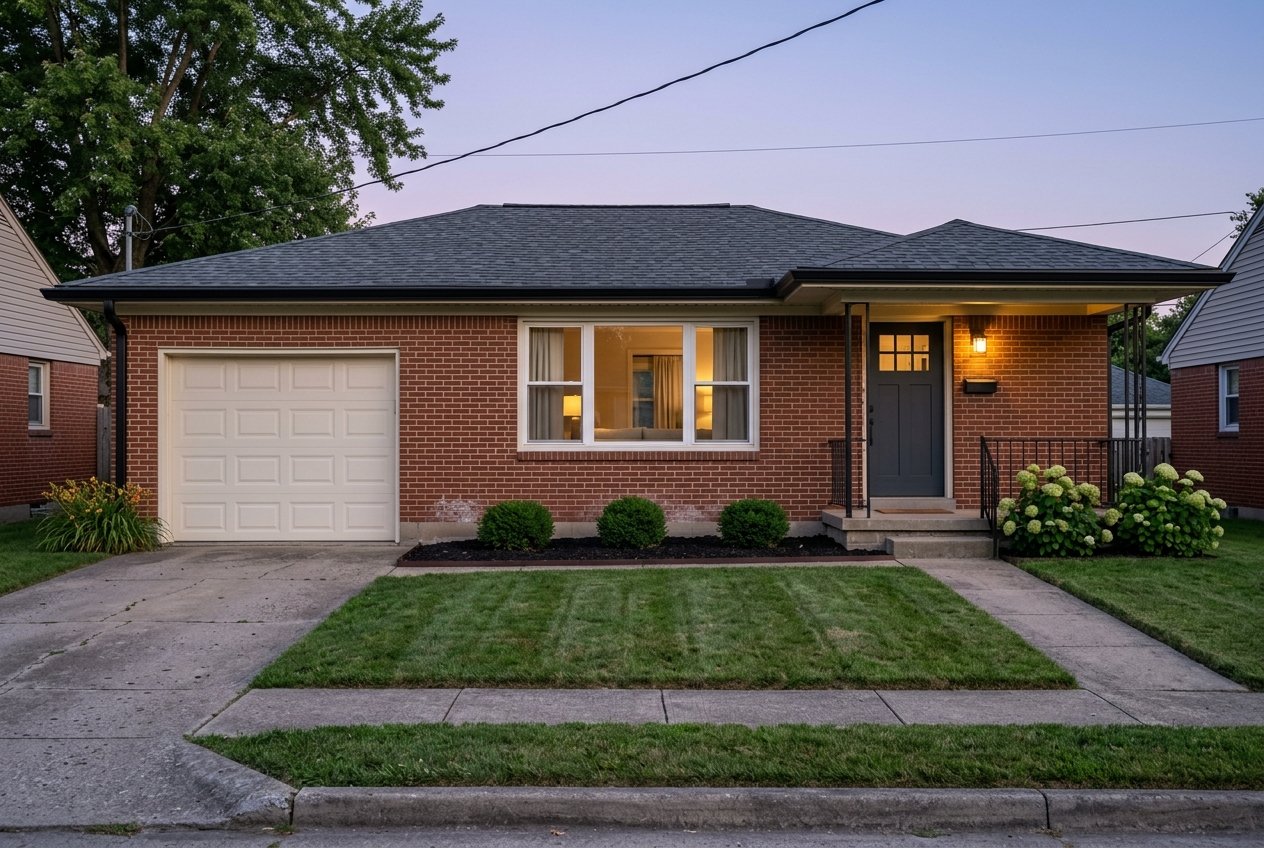
Milford is not a one-note suburb. According to city materials, the housing stock ranges from preserved historic structures in older eastern and southern areas to newer subdivisions and condo options, including neighborhoods such as Tree Ridge, Stone Ridge, Meadows of Milford, Doublegate Carriage Homes, and Miami Woods.
That gives you a wider mix than you might expect. Near the historic core, homes tend to feel older and more compact. On the outer edges, the pattern becomes more suburban, with subdivisions and a more traditional neighborhood layout.
Housing data shows Milford as above Cincinnati’s citywide average, though the exact figure depends on the metric used. Zillow reported a typical Milford home value of $331,272 as of March 31, 2026, while Redfin reported a $425,000 median sale price in March 2026 based on five sales.
Those numbers are not directly interchangeable. One reflects a broader home value estimate, while the other reflects recent closed sales in a small sample. Together, they suggest Milford sits above the citywide Cincinnati typical home value of $252,784, but below some of the more expensive east-side neighborhoods.
If you are relocating from within Cincinnati, it helps to compare Milford with places you may already know.
Milford tends to work well if you want a more house-oriented lifestyle than you find in many Cincinnati core neighborhoods. You may have more opportunity for a detached home, a subdivision setting, or a property near the historic core without stepping into the price range common in Hyde Park or Mt. Lookout.
It is also helpful to think in terms of tradeoffs. If your top priority is walking to a dense cluster of restaurants, errands, and nightlife every day, Milford may feel less convenient than OTR or some east-side square neighborhoods. If your priority is a quieter setting with a mix of historic character and suburban options, Milford becomes more compelling.
For many movers, commute time is the deciding factor. Travelmath estimates the drive from Milford to Cincinnati at about 23 minutes under typical traffic conditions. That makes Milford close enough for a downtown work routine, but far enough that the move still feels like a real lifestyle shift.
In practice, Milford is still more car-first than urban Cincinnati neighborhoods. Once you move beyond the historic core, your daily pattern will likely rely more on driving for errands, school runs, activities, and regular commuting.
Milford does have transit connections to downtown Cincinnati. Metro routes 28 and 29X connect Milford to downtown through communities including Terrace Park, Plainville, Madeira, Mariemont, Fairfax, East End, and Columbia Tusculum.
The 29X is weekday only, and the earliest morning run suggests about a 33-minute ride from Mohawk Trail in Milford to Government Square downtown. That can work for some commuters, but it does not create the same car-light lifestyle you might find in neighborhoods closer to the urban core.
Milford is often a strong fit if you want access to Cincinnati without needing to be in the middle of it every day. If you commute downtown but prefer to come home to a quieter setting, the location can make sense.
If you want to rely heavily on transit, walk to most errands, or minimize driving as much as possible, Milford may be less aligned with your goals. In that case, neighborhoods like OTR, Clifton, or some of the east-side business-district areas may be a closer match.
Lifestyle is where Milford stands apart most clearly. The city’s setting along the Little Miami River and its historic downtown give it a river-town identity that feels different from both the urban core and a typical newer suburb.
Downtown Milford is promoted locally as a district of family-owned shops, restaurants, and a hometown feel. The historic downtown boundary also includes a DORA, which adds to the social and event-friendly atmosphere in that area.
One of Milford’s biggest lifestyle advantages is outdoor access. Great Parks says it manages parts of the 78-mile Little Miami Scenic Trail corridor, and Clermont County notes that the trail begins west of the bridge in Old Milford and follows the former railroad right-of-way connecting Milford and Loveland.
That matters because trail access in Milford is not just a weekend extra. City materials say the Urban Trail winds through main streets, shops, restaurants, natural paths, and several parks, with an entrance to the Milford Bike Trail. In other words, outdoor recreation is woven into the town’s daily pattern.
Your day-to-day experience in Milford can vary based on where you live. Closer to downtown, you may feel more connected to the river-town setting, older homes, and local businesses. Farther out, the feel shifts toward newer subdivisions and a more conventional suburban routine.
Neither is better across the board. It simply depends on whether you want proximity to the historic core, a newer-home setting, or something in between.
Milford is usually a smart move if you want a place that feels more relaxed than Cincinnati’s urban neighborhoods while still keeping downtown within reach. It offers a broad housing mix, above-city-average pricing that still sits below some premium east-side areas, and a lifestyle shaped by trails, river access, and a historic downtown.
The biggest question is not whether Milford is good. It is whether Milford matches how you want to live. If you want a historic core, outdoor access, and more house-focused living, it deserves a close look. If you want your day centered on dense walkability and the widest range of transit options, you may be happier staying closer to the city.
When you are comparing neighborhoods, the details matter. A local team can help you sort out not just price points, but also the feel of different blocks, housing types, and commute patterns so you can make a confident move.
If you are thinking about moving to Milford from Cincinnati, High Watch Home Group can help you compare neighborhoods, understand the local market, and plan your next step with clear, personal guidance.
Stay up to date on the latest real estate trends.
Whether working with buyers or sellers, High Watch Home Group provides outstanding professionalism into making they're client’s real estate dreams a reality. Get assistance in determining current property value, crafting a competitive offer, writing and negotiating a contract, and much more. Contact them today.