Loveland Ohio Real Estate Market: What Buyers Should Know
Is the Loveland market moving fast or giving buyers room to negotiate? If you have seen one home sell in a weekend while another sits for weeks, you are not alone. In early 2026, the data tells a mixed story that depends on price point, location, and property condition. In this guide, you will get a clear snapshot of prices, speed, and buyer strategies so you can act with confidence. Let’s dive in.
Portal snapshots for Loveland place typical sale prices in the high $300,000s to mid $400,000s. Recent medians ranged from roughly $398,750 to $455,000 depending on the source and exact geography (city vs. ZIP) and timing of the pull. In February 2026, Redfin’s Loveland city page showed a median around $455,000 with only seven closings that month, while Zillow’s area snapshot and Realtor.com’s 45140 ZIP view showed medians near $399,000 to $401,000 in late January and February.
Speed metrics also differ. One portal’s city page showed a median of about 79 days on market in February 2026. Another reported a 17‑day median to pending around the same time, and the 45140 ZIP read near 43 days on market in February. The spread comes from small sample sizes, different definitions, and varied map boundaries.
For broader context, the Hamilton County market posted roughly 1.5 months of inventory in January 2026, which leans seller friendly at the county level. You can review the county dashboard for supply and time-on-market trends on the MLS-backed report for Greater Cincinnati via the Indiana Realtors data portal at the Hamilton County summary page. Hamilton County’s January 2026 market dashboard shows low months of inventory.
Bottom line: expect some month-to-month volatility in the city and use multi-month trends, neighborhood comps, and property condition to guide offers.
The current stance looks mixed. Countywide supply is tight, which supports prices, yet ZIP-level snapshots for much of Loveland read closer to balanced in February 2026. That creates two parallel realities. Well-priced, move-in ready homes can still draw quick interest. Listings that are dated or ambitiously priced may sit longer and invite negotiation.
If you plan to buy this spring, know that March through June often brings more new listings and more competition. That can mean more showings per listing and faster decision cycles. If you value selection, spring is helpful. If you value breathing room, late summer or late fall can be quieter.
A smart plan can help you win the right home without overpaying.
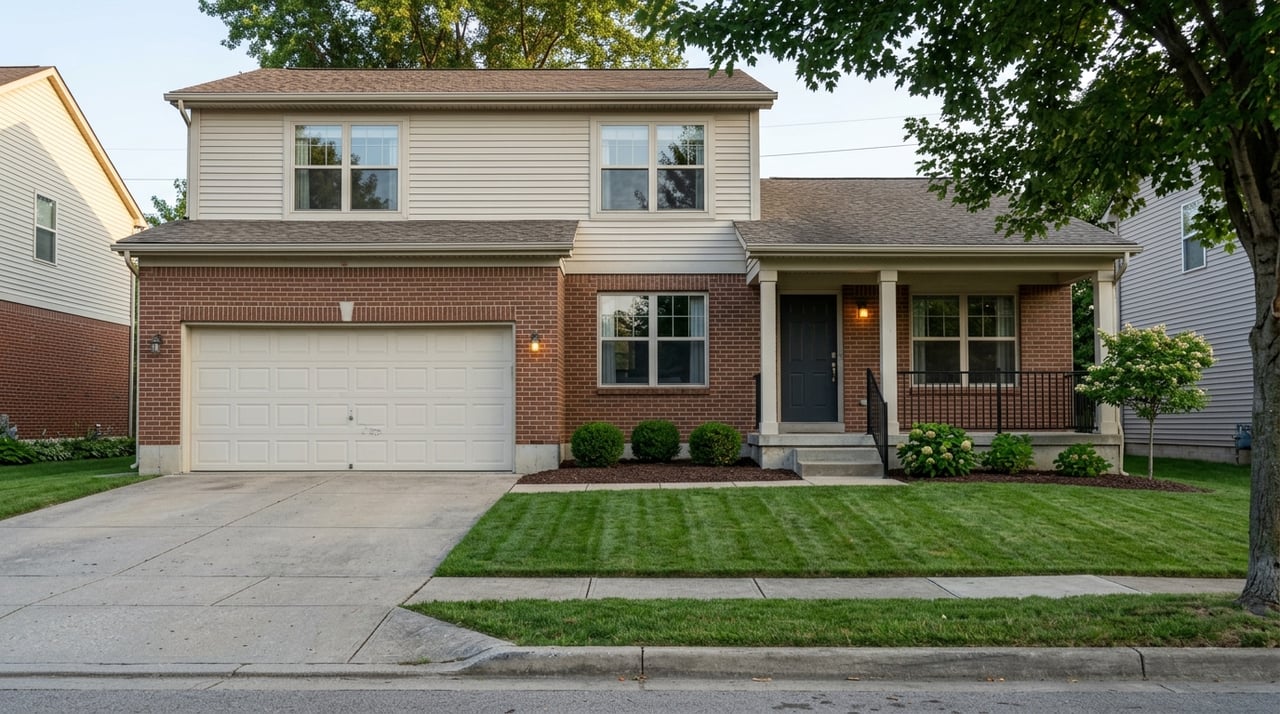
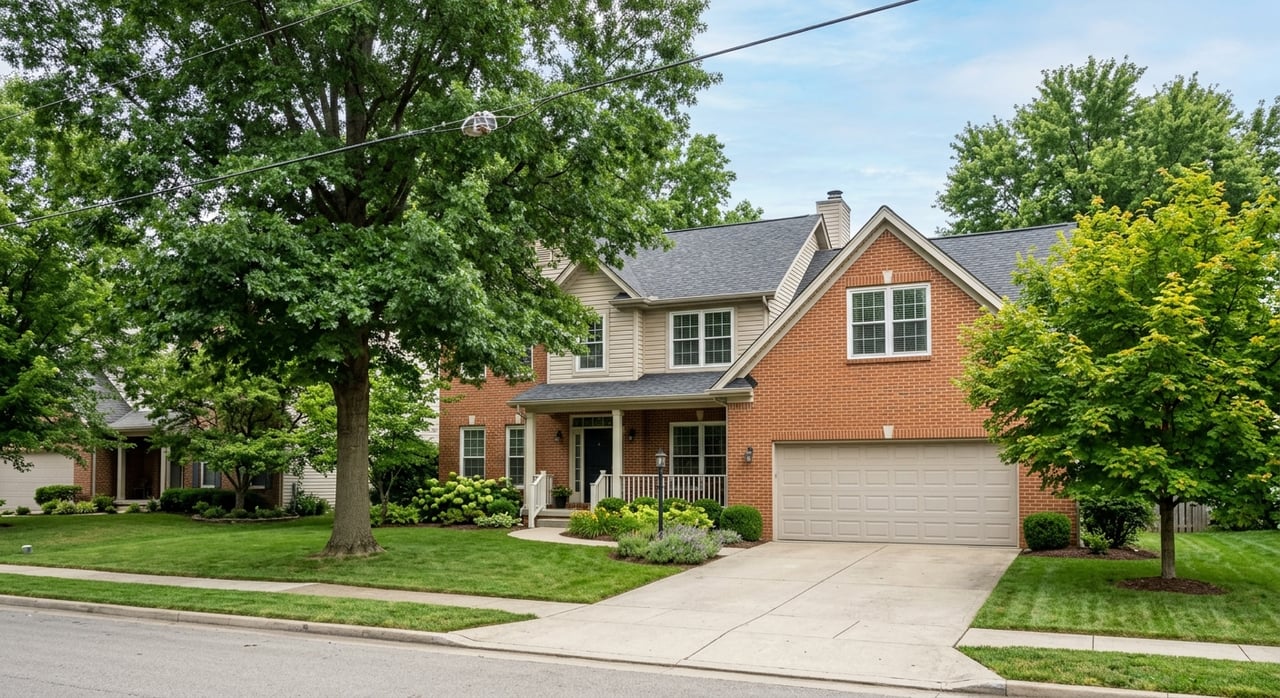
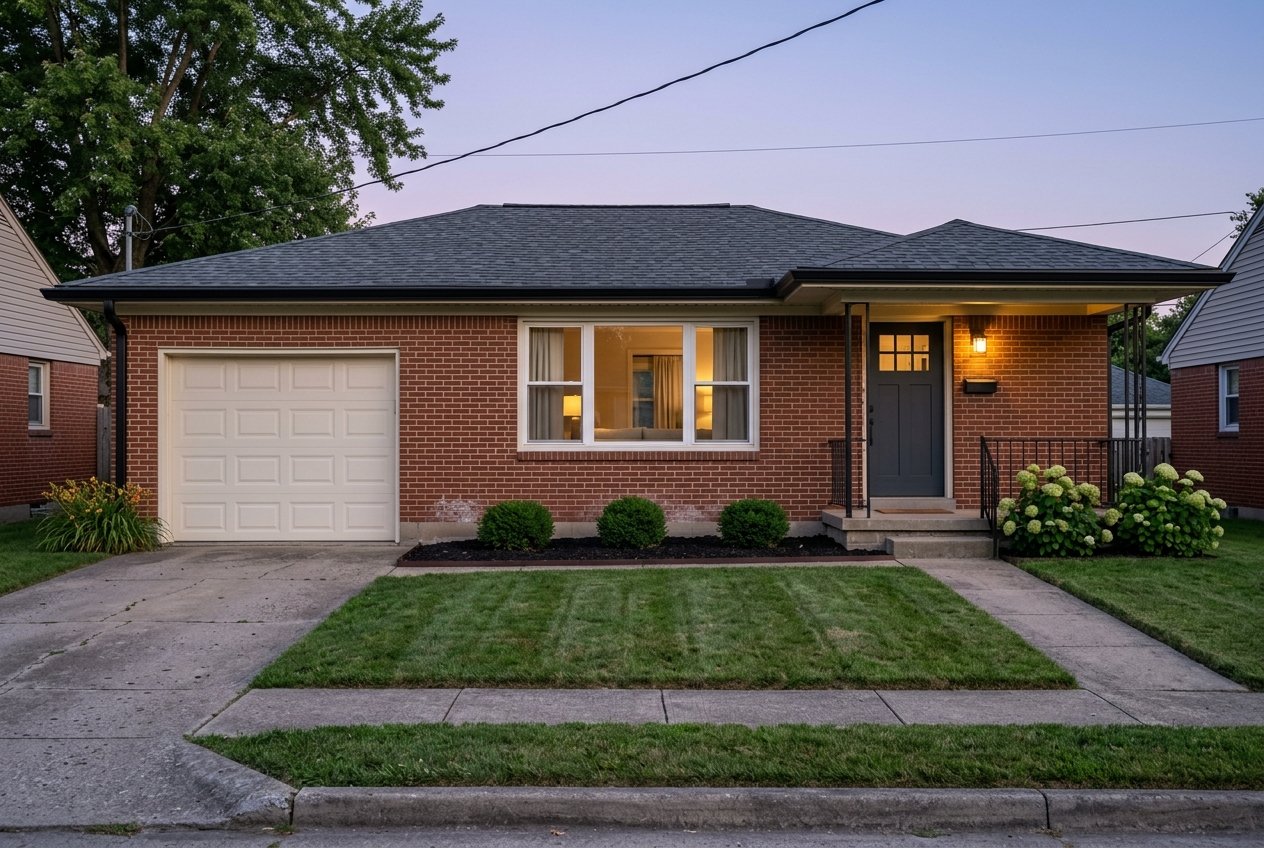
Loveland’s housing stock skews toward single-family detached homes. That means most listings you see will be traditional suburban layouts with yards and garages. Condos and townhomes exist but make up a smaller slice of the local market, so availability can be limited.
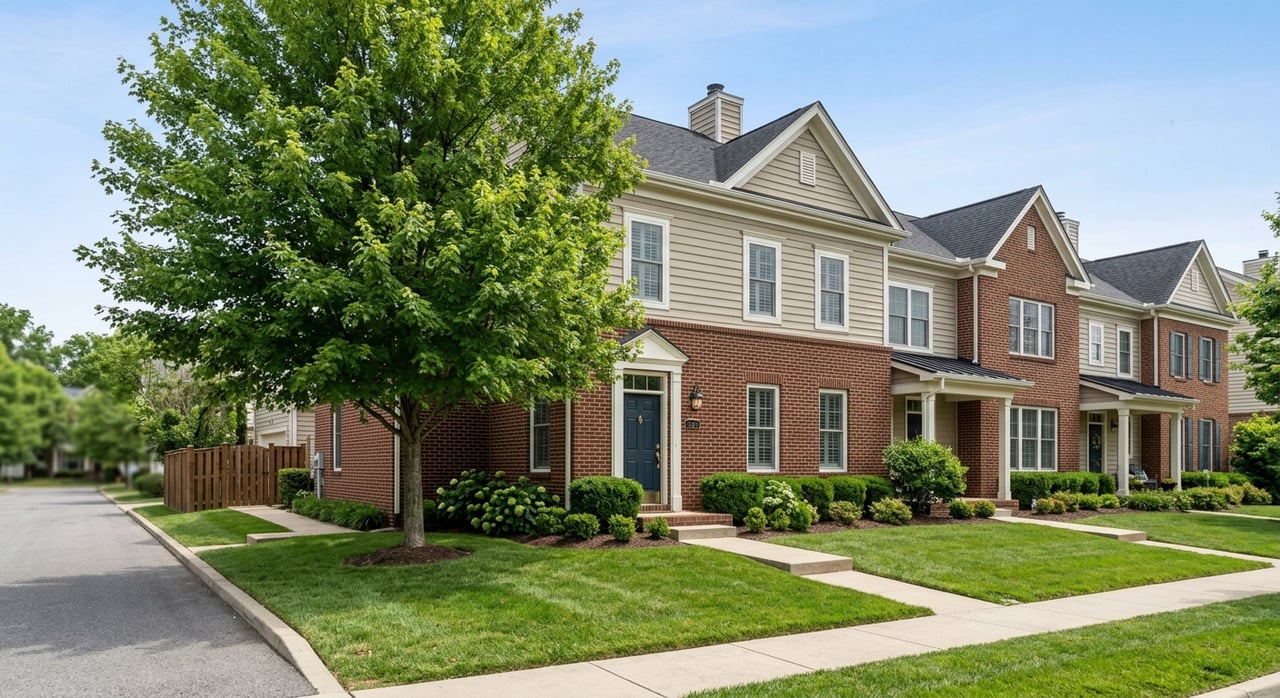
If you prefer lower maintenance, set alerts and be ready to tour quickly. Condo and townhome inventory in Loveland appears more limited than single-family supply. When options appear, they often trade at lower absolute prices than detached homes, though monthly fees vary by community.
A few Loveland-specific checks can save you time, money, and stress.
Parts of Loveland sit close to the Little Miami River. Some parcels may be in FEMA flood zones, which can affect insurance needs and loan approval. Verify a property’s flood zone on FEMA’s maps, ask the seller for an elevation certificate if applicable, and get an insurance quote before you finalize terms. The city’s stormwater page and regional hydrology studies offer helpful background. Review the city’s guidance on stormwater and flood planning and a recent hydrology report to understand local floodplain context.
Many buyers consider district boundaries when selecting a home. School assignment does not always match ZIP lines, so confirm the assigned schools for any specific address with the district. The district notes recent recognitions across multiple Loveland schools. See Loveland City Schools district updates.
Note: Use neutral, factual criteria in your search. Check official resources for the latest information and confirm details that matter to you.
Loveland sits about 15 to 20 miles from central Cincinnati and is accessible to I‑275. Depending on traffic and route, typical drive times to the urban core can fall in the 20 to 30 minute range. Always test your own commute during the hours you plan to travel. Review the City of Loveland overview for location context.
Use this simple, buyer-facing process to make confident moves.
Clarify your bands. Define your top purchase price and monthly comfort. Set a search bracket that leaves room for taxes, insurance, and maintenance.
Watch the weekly cadence. New listings often go live midweek with showings Thursday through Sunday. Get your pre-approval and touring plan ready so you can see homes during the first weekend on market.
Sort listings by opportunity. Flag three groups: A) standouts that may require speed and strong terms, B) good-but-overpriced homes that may be negotiable, C) projects where you can trade sweat equity for savings.
Pull street-level comps. Look within the immediate micro-market first. Ask your agent for a quick set of nearby closed and pending comps, then overlay county supply trends for context. Check Hamilton County’s latest monthly metrics for overall supply and time-on-market.
Write offers with purpose. For group A homes, pair a fair price with strong terms. For groups B and C, seek concessions like closing cost credits or inspection credits that reflect condition and days on market.
Plan your next move early. If you have a home to sell, line up your listing strategy in parallel. If you are renting, confirm your lease timelines so you can offer flexible closes.
You deserve a calm, data-informed path to the right home. As a boutique, family-run team, we combine personal attention with MLS-backed search tools and neighborhood expertise across Hamilton County. If you are eyeing Loveland, we will help you understand the micro-markets, read the comps, and structure offers that fit your goals.
Ready to start? Schedule a friendly, no-pressure consult with High Watch Home Group. We will answer your questions, set up smart alerts, and help you move at the right pace for you.
Stay up to date on the latest real estate trends.

Whether working with buyers or sellers, High Watch Home Group provides outstanding professionalism into making they're client’s real estate dreams a reality. Get assistance in determining current property value, crafting a competitive offer, writing and negotiating a contract, and much more. Contact them today.