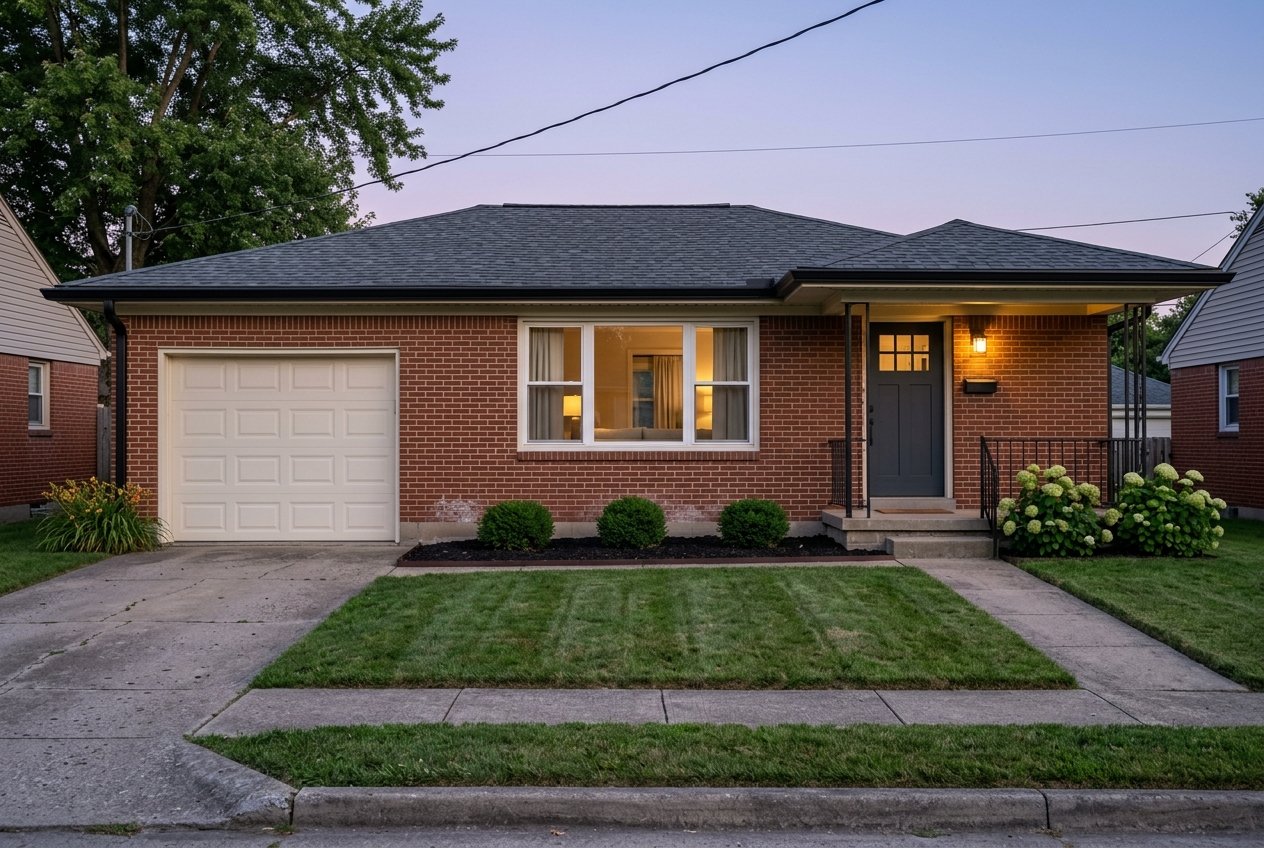
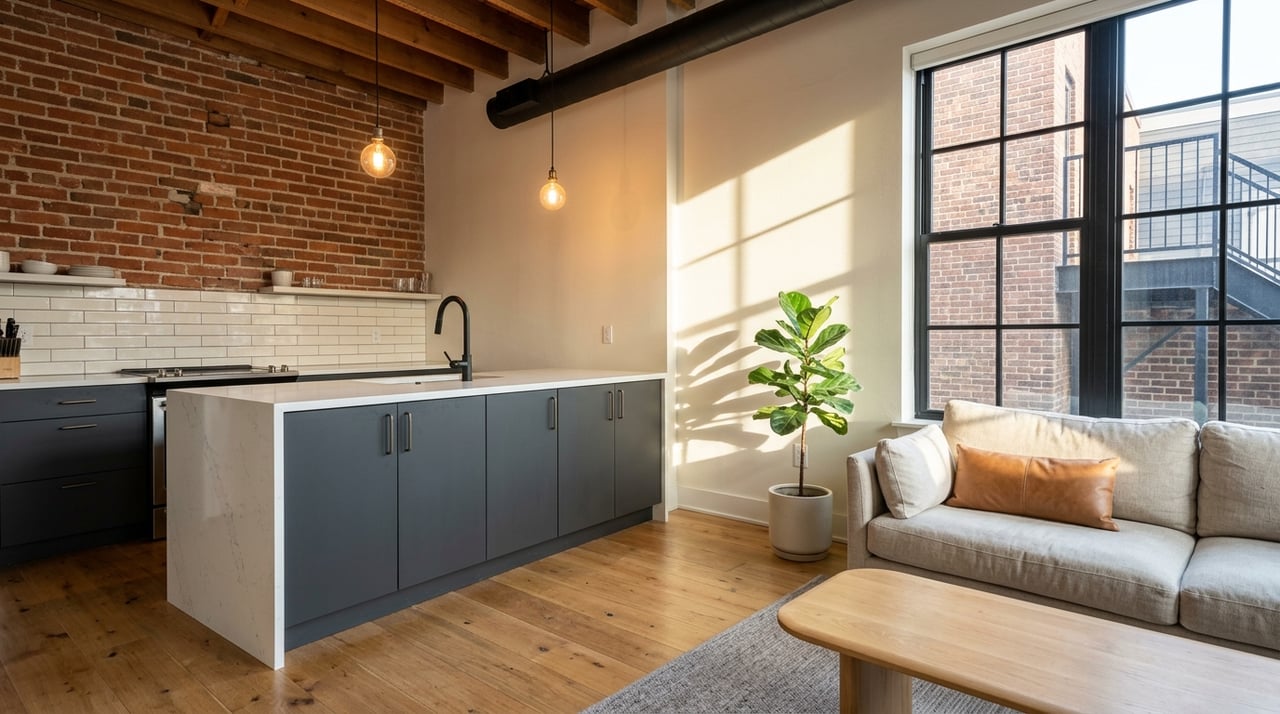
Thinking about buying in Over-the-Rhine but not sure whether a condo or a house fits you best? You’re not alone. OTR offers gorgeous historic buildings, creative lofts, and a true city lifestyle, yet choices come with tradeoffs on space, maintenance, financing, and rules. In this guide, you’ll learn the real differences so you can choose with confidence and avoid surprises at closing. Let’s dive in.
Condo vs. house in OTR: quick take
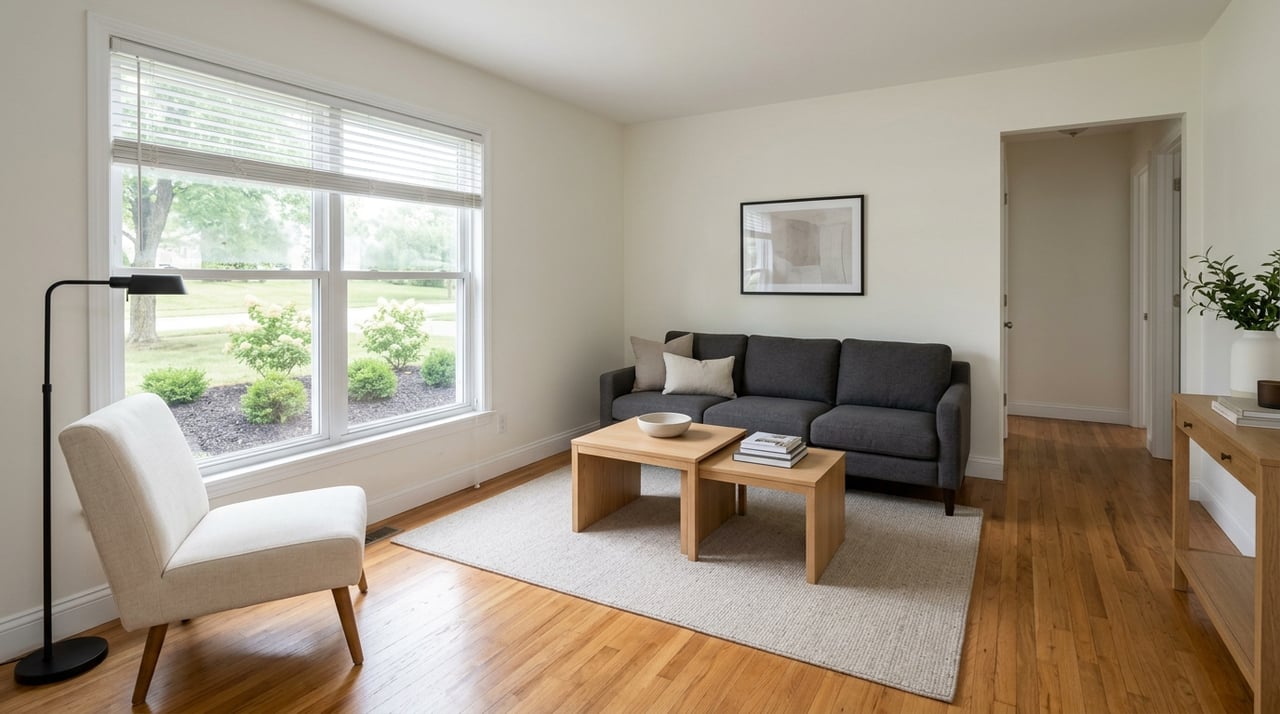
- Condos fit you if you want low exterior maintenance, a walkable location, and a simpler lock-and-leave lifestyle. You will budget for HOA dues and review building health before you buy.
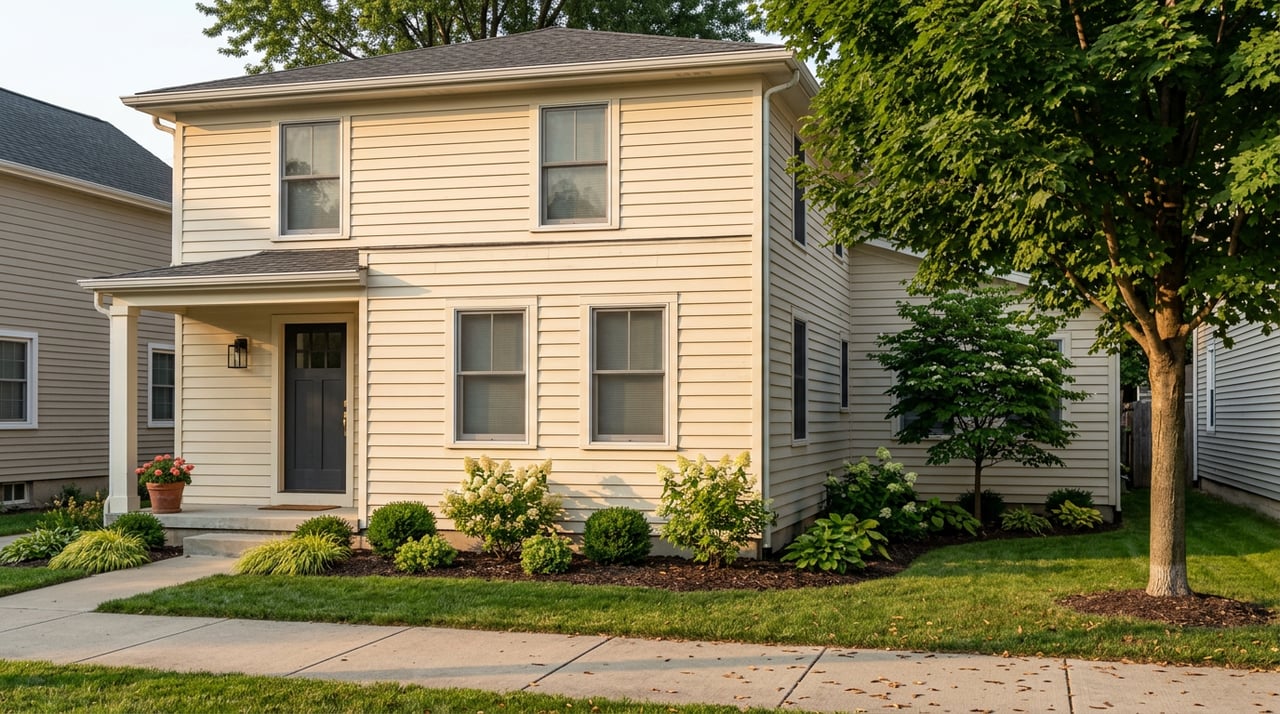
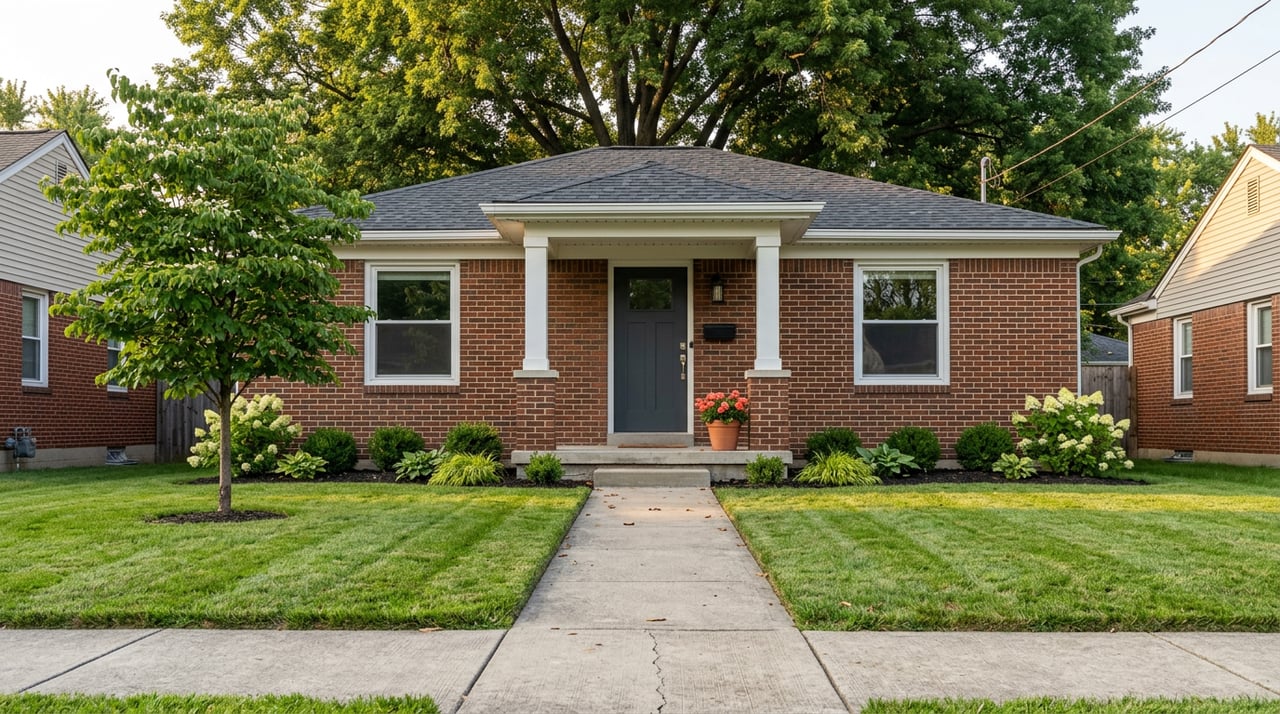
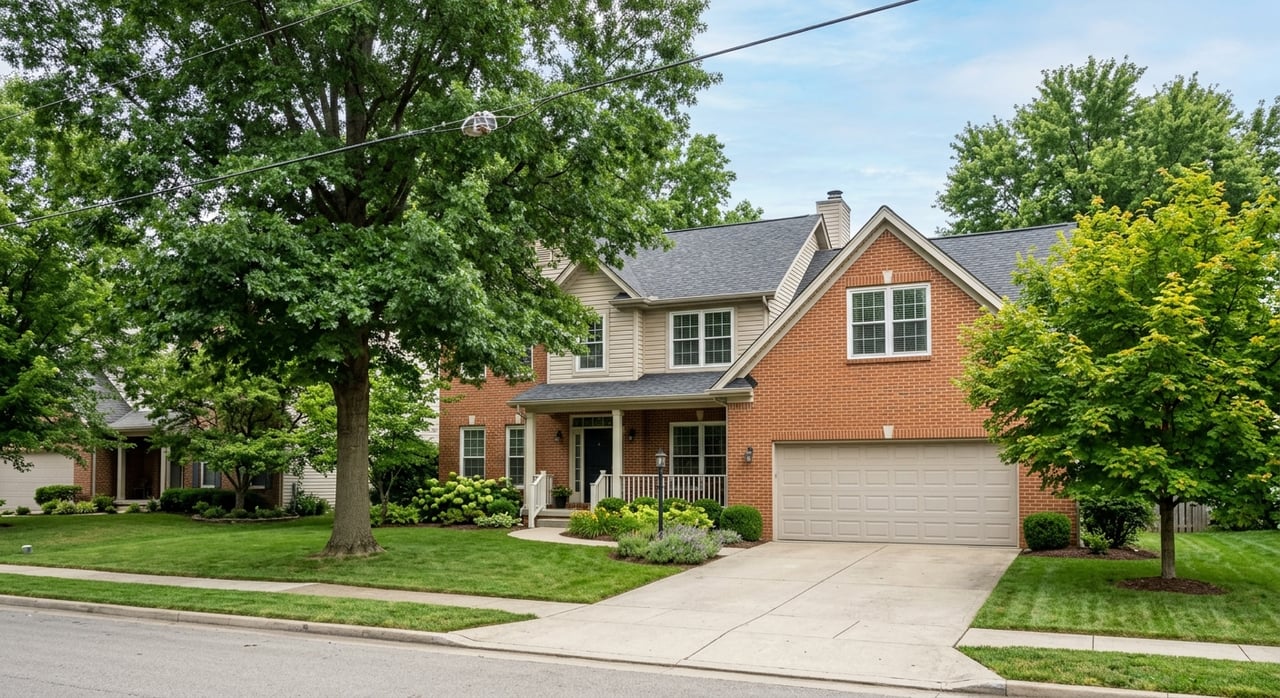
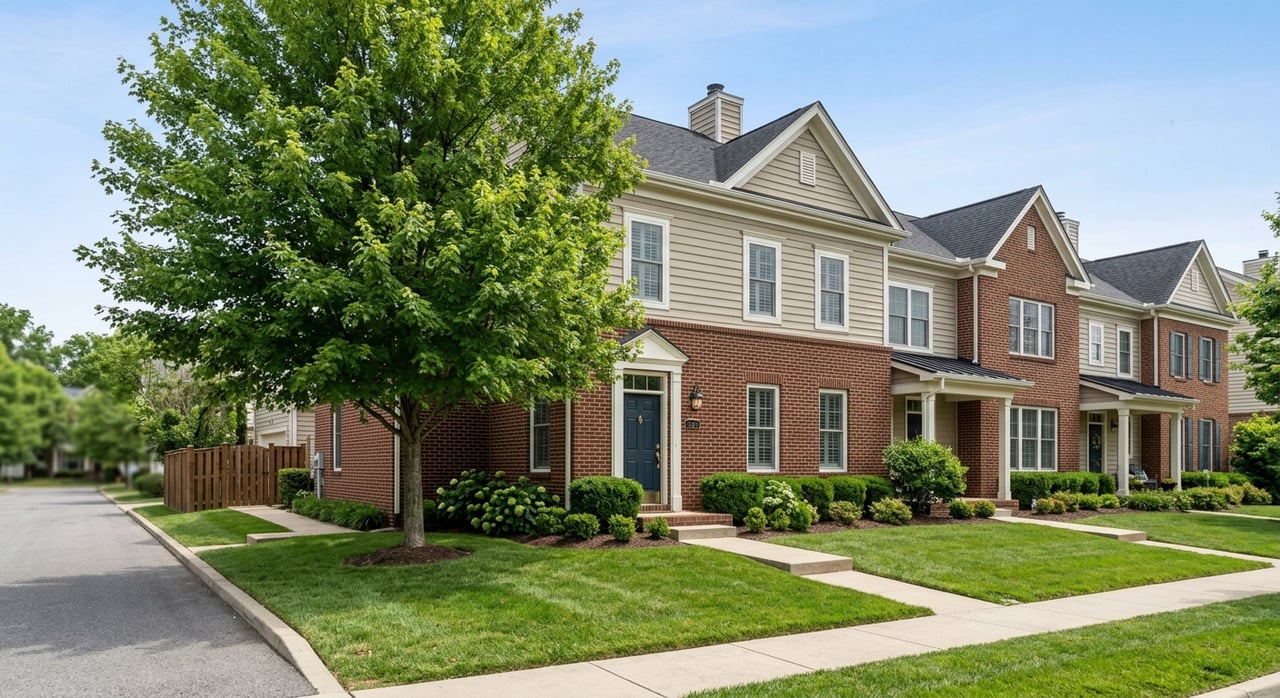
- Fee simple rowhouses or townhomes fit you if you want more privacy and control without HOA rules. You will take on full exterior maintenance and likely manage stairs, narrow lots, and limited parking.
- Lofts deliver character and volume but may come with more complex building systems and potential for higher or less predictable association costs.
What living in OTR really means
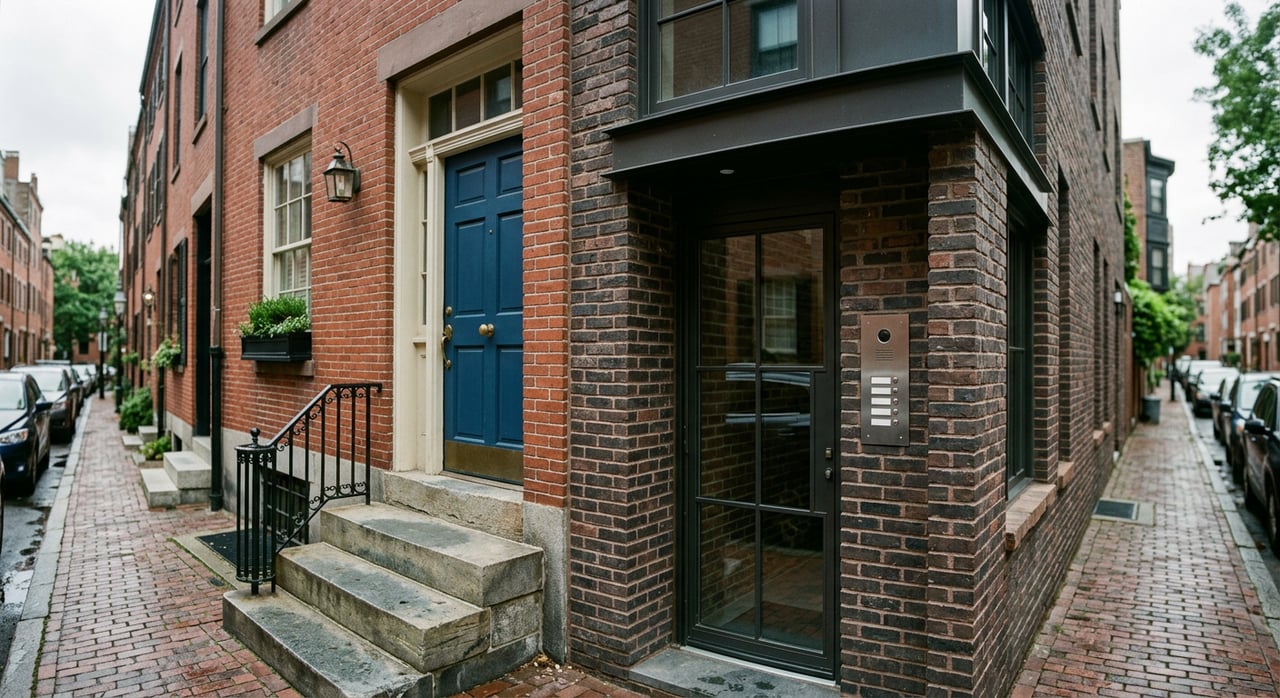
OTR is a dense, historic district with vibrant dining, arts, and events. Many homes are 19th‑century rowhouses or warehouse conversions with unique layouts and details. A city neighborhood analysis shows a high share of renter-occupied housing, which shapes inventory, investor interest, and building policies. See the city’s profile for context on OTR’s housing mix and demographics in the Over-the-Rhine CEI map. City of Cincinnati OTR profile
Space and outdoor areas
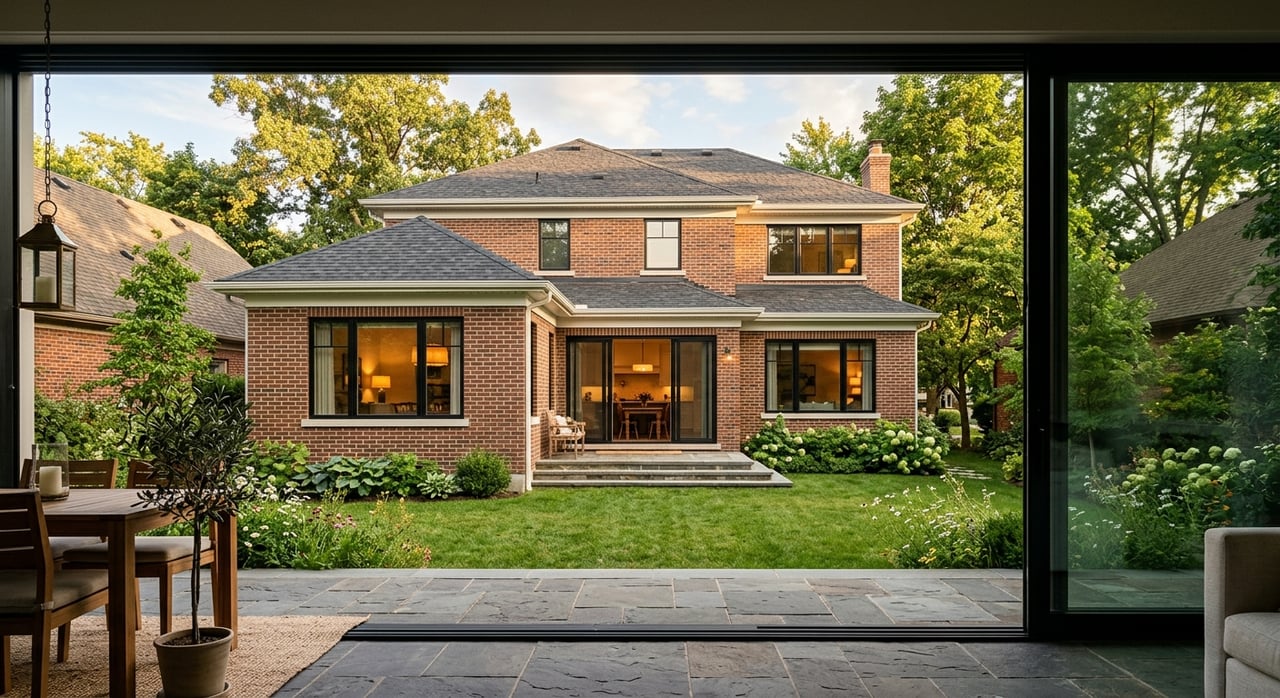
Most properties have smaller footprints than suburban homes. Private yards are rare. Outdoor space often means a balcony, a shared courtyard, or time at Washington Park. If a private yard is a must-have, you may widen your search to nearby neighborhoods.
Parking reality
On-site parking is limited. Many owners rely on street parking, leased spaces, or nearby garages. If you need consistent covered parking, plan for monthly garage costs or target listings that include a deeded spot.
Condos in OTR: how they work
Condominiums are common in OTR, especially in converted rowhouses and boutique buildings. They simplify exterior upkeep and can offer a lower entry price than a comparable fee simple home on the same block.
Monthly dues and the building’s finances
- Expect monthly HOA dues that cover building insurance, common area maintenance, and sometimes water or trash. These dues are not part of your mortgage payment, so factor them into your monthly budget. CFPB on HOA dues
- Review the association’s financial health before you commit. Ask for the most recent budget, balance sheet, reserve study or funding plan, board meeting minutes, master insurance certificate, and any litigation details. Strong reserves help reduce the risk of special assessments. CAI best practices on reserves
Financing and eligibility
Condo loans evaluate both you and the project. Lenders and major investors look at reserves, owner‑occupancy levels, commercial mix, insurance, and litigation. If the project does not meet standard criteria, financing options can narrow. Fannie Mae project standards
If you plan to use FHA or VA, confirm project approval early or ask your lender about single‑unit (spot) approval. This step can save time and protect your earnest money. HUD condo approval guidance
Noise, amenities, and rules
Shared walls can mean more sound transfer than a detached home. Some buildings offer amenities, while others prioritize historic character. Always read the declaration and rules for policies on pets, leasing, storage, and renovations.
Lofts and boutique buildings
Loft conversions deliver tall ceilings, large windows, and authentic materials. They photograph beautifully and often attract renters and buyers who value character. In older structures, mechanicals and building systems can be costly to repair, which may affect dues or lead to special assessments. Review the reserve study and recent capital projects closely.
Fee simple rowhouses and townhomes
These properties give you control without the framework of a condo association in many cases. You will handle exterior maintenance, roofing, masonry, and systems yourself. That can simplify financing, but raises your long‑term maintenance planning. In OTR, many rowhouses are narrow and multi‑story, so think about stairs and storage during showings.
Renovations in a historic district
OTR sits within Cincinnati’s local historic conservation framework. Exterior changes typically require a Certificate of Appropriateness. Build time and cost for design review into your renovation plans. City of Cincinnati COA process
Investment and resale factors in OTR
Rental demand and rules
Walkability and culture support strong rental interest, especially for well-renovated units near the streetcar or parks. If you plan to rent, confirm two layers of rules:
- Municipal: Cincinnati requires registration for long‑term rentals and has a separate registration for short‑term rentals. Start with the city’s program pages to understand current requirements and limits. Residential rental registration | Short‑term rental registration
- Association: Many HOAs limit leases or ban short‑term rentals. Read the declaration and rules, and ask for current leasing statistics.
Resale variables that matter
Condos tend to resell better when the association is well‑managed and easily financeable. Location within OTR, the ability to secure parking, and recent building improvements also influence price and time on market. For fee simple homes, exterior condition, roof age, and mechanicals drive buyer confidence.
Cost check: run the full monthly
When you compare a condo to a fee simple home, look beyond the mortgage rate.
- Condo: principal and interest + taxes + HOA dues + homeowner’s insurance + utilities + parking, if applicable.
- Fee simple: principal and interest + taxes + homeowner’s insurance + utilities + maintenance reserve + parking, if applicable.
Tip: Build a simple spreadsheet and model a few buildings or homes you like. Add potential parking fees and a maintenance reserve for non‑HOA homes.
Your OTR due diligence checklist
Use this list before you write an offer, especially on a condo or loft.
- Request the full HOA resale packet: current budget, balance sheet, reserve study or plan, board minutes, master insurance certificate and deductibles, litigation status, and the declaration/bylaws. If items are missing, pause until you receive them. CAI reserve guidance
- Confirm how dues are paid and exactly what they cover. Remember, dues are typically paid separate from your mortgage payment. CFPB on HOA dues
- If using FHA or VA, verify project approval or your lender’s ability to do a single‑unit approval before you go under contract. HUD condo approval guidance
- Ask your agent and lender about project standards that could affect financing, including reserves, owner‑occupancy, and commercial space. Fannie Mae project standards
- Plan for insurance: condo owners typically carry an HO‑6 policy for interiors and personal property, and may add loss‑assessment coverage. Confirm what the master policy covers, including deductibles and exclusions.
- Check historic review needs early if you plan exterior work. Cincinnati COA process
- For investors, review both long‑term rental registration and current short‑term rental rules, then verify the HOA’s leasing policies. Rental registration | Short‑term rental registration
- Explore down payment assistance if you are a first‑time buyer in Ohio. Programs and income limits change, so verify current terms. OHFA programs
- Estimate property taxes using the Hamilton County Auditor, and remember that values can adjust after a sale. Hamilton County Auditor
- Map your daily needs. Walk your commute, test parking patterns, and visit at different times to confirm the fit.
Which fits you? Quick scenarios
- Choose a condo if you want low exterior upkeep, a smaller footprint, and easy access to restaurants and events. You are comfortable doing HOA due diligence and budgeting for dues.
- Choose a fee simple rowhouse if you want more privacy and control, are fine managing exterior maintenance, and like the idea of a historic home you can steward over time.
- Choose a loft if character and volume are top priorities and you are willing to prioritize buildings with proven management and solid reserves.
Next steps
Your best choice comes from seeing how each option feels in person and running the numbers for your situation. If you want a calm, clear process from search to close, we can help you compare buildings, review HOA health, and structure financing so you move forward with confidence.
Ready to explore Over-the-Rhine homes and condos? Connect with High Watch Home Group to schedule a free consultation today.
FAQs
What do HOA dues cover in Over-the-Rhine condos?
- Dues often include building insurance, common area maintenance, and sometimes water or trash; always confirm coverage and payment timing with the budget and resale packet. CFPB guidance
Can I use FHA or VA to buy a condo in OTR?
- Yes, if the project is approved or your lender can secure a single‑unit approval; verify early to avoid delays. HUD condo approval
What should I review before buying into an OTR HOA?
- Request the budget, reserves study, minutes, master insurance, litigation status, and the declaration/bylaws to understand costs and risks. CAI reserve guidance
Are short‑term rentals allowed in Over-the-Rhine condos?
- Cincinnati requires STR registration and many HOAs limit or prohibit STRs; confirm both city rules and the building’s declaration. City STR program
Do exterior changes in OTR require special approval?
- Most exterior work in OTR’s historic district needs a Certificate of Appropriateness from the city. COA process
How do I estimate my OTR property taxes?
- Use the Hamilton County Auditor’s website for parcel-level tax details and note that values can adjust after a sale. Hamilton County Auditor
Is down payment assistance available for OTR purchases?
- Many first‑time buyers can explore OHFA programs; review current income limits, credit requirements, and participating lenders. OHFA programs
What is different about financing a loft in a mixed‑use building?
- Mixed‑use and certain condo projects face stricter project standards, which can affect loan options and rates. Fannie Mae standards