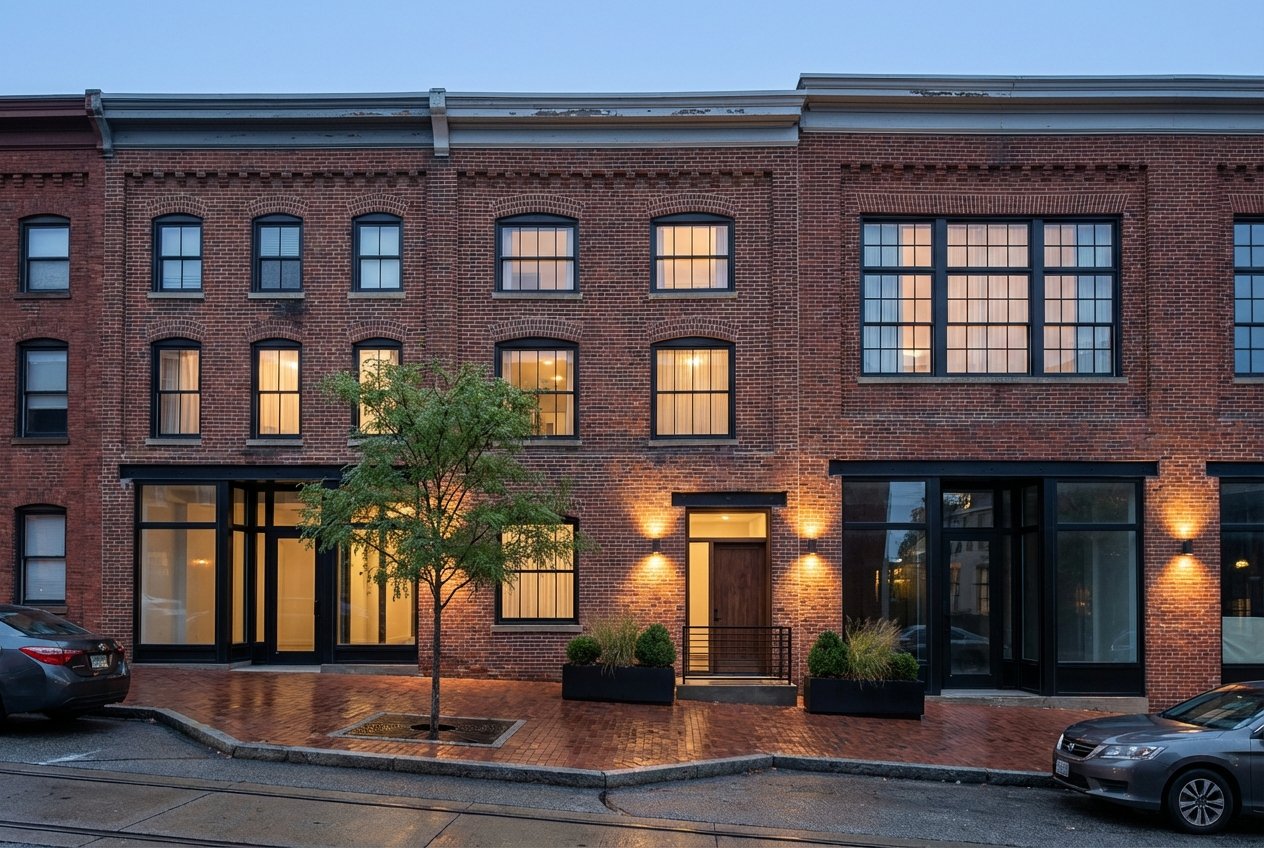
Living in Over-the-Rhine Cincinnati: A Local Guide
What draws so many people to Over-the-Rhine? For many, it is the brick facades glowing at sunset, the hum of Findlay Market on a Saturday, and the ease of hopping a free streetcar to dinner. If you are weighing a move, you want more than pretty pictures. You want to know what it is like to live here day to day, what homes cost, how you will get around, and what trade-offs to expect. This guide gives you a grounded look at life in OTR so you can decide with confidence. Let’s dive in.
Over-the-Rhine is a historic neighborhood directly north of downtown Cincinnati in Hamilton County. It is one of the largest and most intact 19th-century urban historic districts in the country, with blocks of Italianate and late Victorian buildings that create a distinct sense of place. The National Register and local historic designations cover much of the commercial and residential fabric around Findlay Market and north of Central Parkway. You can read more about the district’s history and boundaries on the neighborhood’s Over-the-Rhine summary.
OTR often attracts buyers and renters who value walkability, food and arts culture, and quick access to downtown, hospitals, and universities. The neighborhood’s character and convenience are a big part of its appeal.
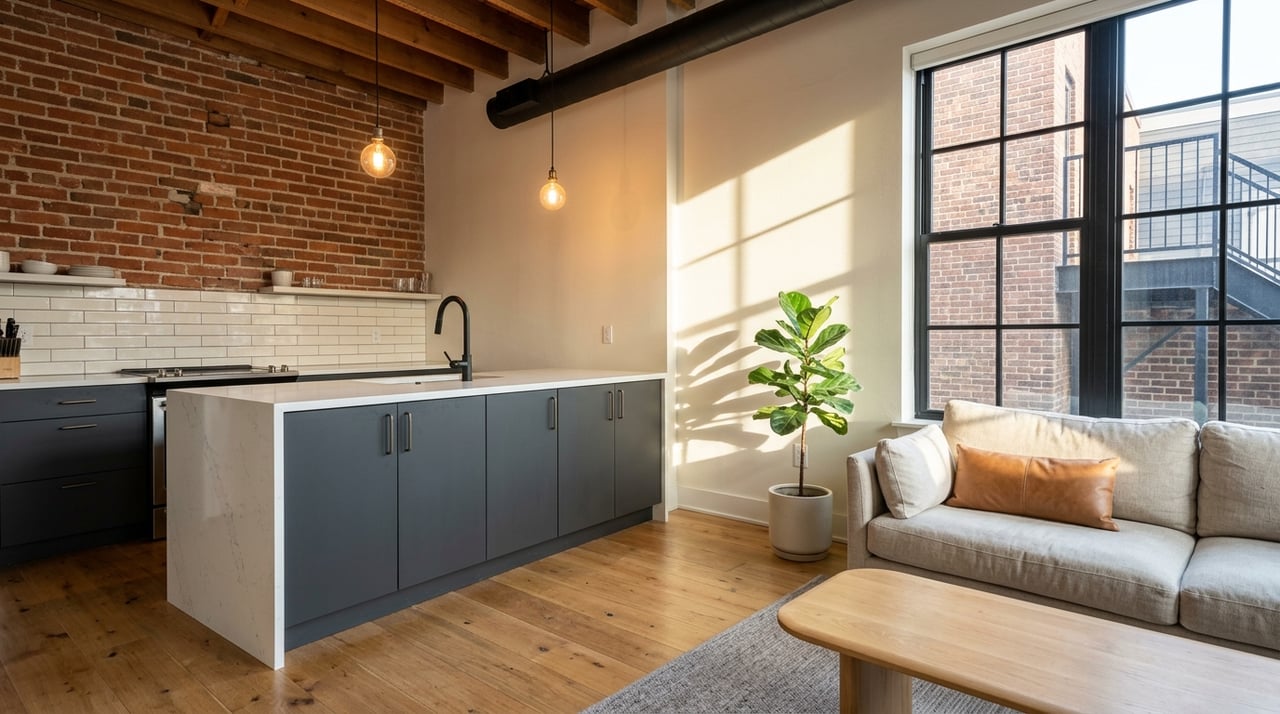
OTR’s housing stock is defined by 19th-century brick rowhouses and ornate commercial blocks. Many buildings have been adapted into condos, lofts, and apartments. You will also see modern infill on select blocks where new mixed-use projects have gone up.
Developments across the neighborhood show a mix of market-rate and affordable units, including multi-phase efforts like Mercer Commons, Willkommen, and Perseverance delivered with civic partners.
Prices vary by building type, size, and exact block. As of January 2026, published sources reported the following neighborhood indicators:
Use these as context only. Always compare recent comps for your specific building type and date each figure you cite.
OTR is subject to local historic review. Exterior changes that affect what you can see from the street often require a Certificate of Appropriateness from the city’s Historic Conservation Board. That review can influence timelines and costs for renovations. Start with the city’s overview of local historic designation and COA requirements and the 2023 update to the OTR Historic Conservation Guidelines for New Construction.
Findlay Market is the neighborhood’s daily and weekend hub, with food vendors, specialty shops, and community events that spill into the streets in warmer months. It is an anchor for residents and a landmark for visitors. Learn more about its history on Findlay Market’s official site.
OTR is Cincinnati’s primary restaurant and nightlife corridor along Vine, Main, Liberty, and Race. You will find independent coffee shops, cocktail bars, breweries like Rhinegeist, and a steady calendar of pop-ups and specials. Expect lively foot traffic on weekends.
Washington Park sits on OTR’s southern edge and offers a great lawn, playground, performance space, and an underground garage. It hosts concerts, fitness classes, and markets throughout the year. Much of the park’s transformation and programming stems from civic projects led by 3CDC, which you can explore on their civic-space developments page.
Just beyond the park, Cincinnati Music Hall and Memorial Hall host classical, opera, dance, and touring performances. This arts cluster shapes OTR’s daytime and evening rhythm.
The Cincinnati Connector is a free 3.6-mile streetcar loop that links OTR and Findlay Market to downtown and the Banks at the riverfront. It is convenient for errands, dining, and events. Check the city’s streetcar page for current hours and service advisories.
SORTA’s Go Metro buses serve OTR and connect to Uptown, the University of Cincinnati area, and many other neighborhoods. For short hops, Cincy Red Bike stations are sprinkled across the core and offer e-bikes and low-cost passes. See the Red Bike program info and events on Cincy Red Bike’s site.
Many historic buildings do not include dedicated off-street parking. Nearby garages managed by 3CDC and private operators offer hourly, daily, and monthly options. Review locations and current rates on 3CDC’s Where to Park page.
Every urban neighborhood comes with benefits and realities. Here is a clear view to help you plan.
Walkability and culture. You can live near parks, markets, restaurants, and venues, all within a few blocks. Civic investments like Washington Park have made daily life more active and welcoming. See highlights on 3CDC’s civic-space page.
Nightlife noise and crowds. The central entertainment corridors can be busy late into weekend nights. If you are sensitive to noise, visit your target block at different times and ask about building sound treatments and house rules.
Safety context. OTR’s safety profile has improved from earlier decades, though commercial corridors still see fluctuations in calls for service and property crime. The city and police announce targeted strategies from time to time. Review recent local reporting, such as coverage of crime prevention initiatives, and visit in person to gauge your comfort on specific blocks.
Gentrification and affordability. Significant investment has brought new housing and rising prices, along with concerns about displacement. Mixed-income projects like Willkommen have added affordable units as part of a broader redevelopment strategy. Read about Willkommen’s completion and affordable housing additions in OTR on Spectrum News 1.
Historic-building realities. Older homes offer character like exposed brick and tall windows, but may have smaller kitchens or closets and older systems. Budget for thorough inspections and potential updates.
Use this quick list to focus your search and due diligence:
If you work downtown, at the University of Cincinnati, or at nearby medical campuses like UC Health or Cincinnati Children’s, OTR offers short trips by streetcar, bus, bike, or rideshare. Many residents choose the neighborhood to cut commute time and gain a more active, car-light lifestyle.
If you want historic architecture, a strong food and arts scene, and a central-city lifestyle, OTR is hard to beat. You will trade larger yards and private garages for walkability and convenience, but many buyers feel the daily energy, culture, and easy access to downtown and Uptown are well worth it.
Have questions about a specific building or block? Let’s talk through your goals, timeline, and budget. Reach out to High Watch Home Group to schedule a free consultation or get your instant home valuation.
Stay up to date on the latest real estate trends.
Whether working with buyers or sellers, High Watch Home Group provides outstanding professionalism into making they're client’s real estate dreams a reality. Get assistance in determining current property value, crafting a competitive offer, writing and negotiating a contract, and much more. Contact them today.