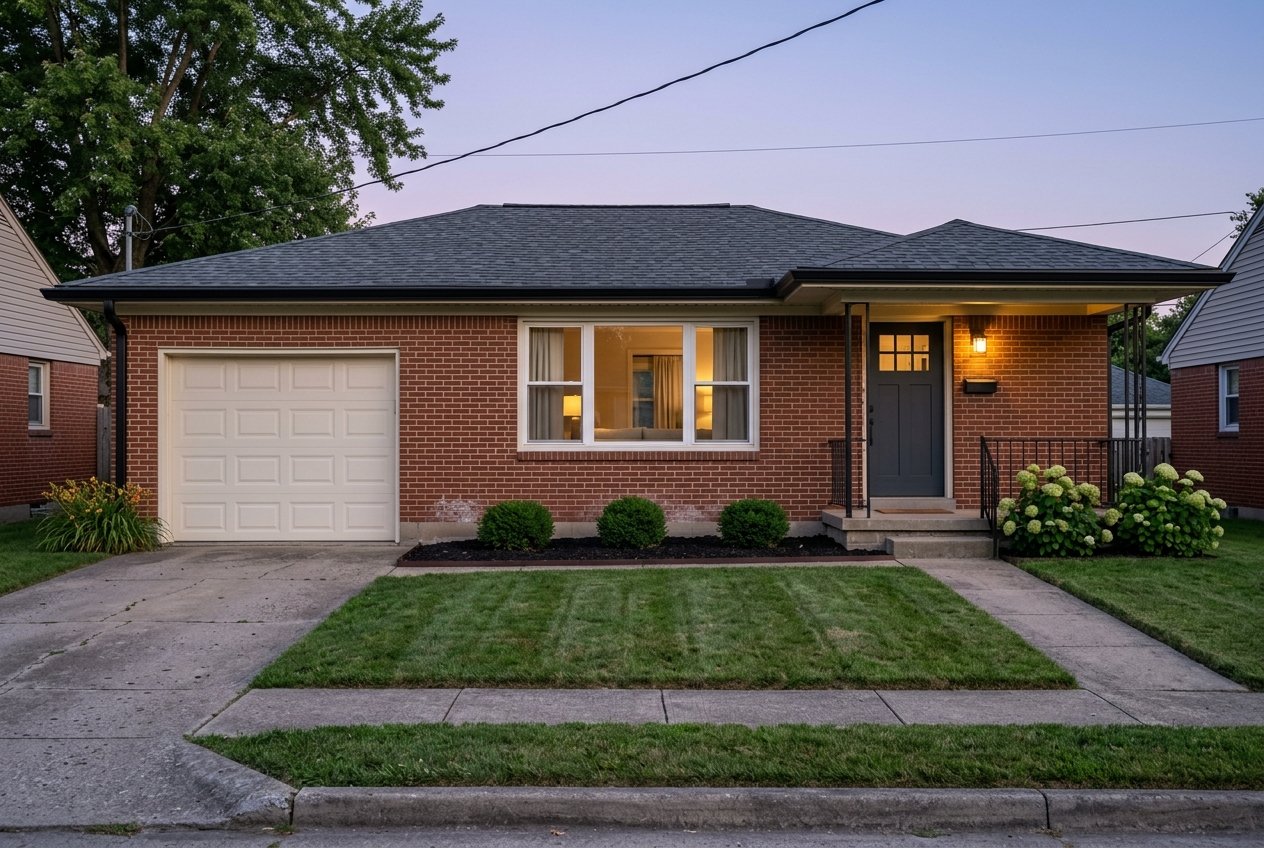
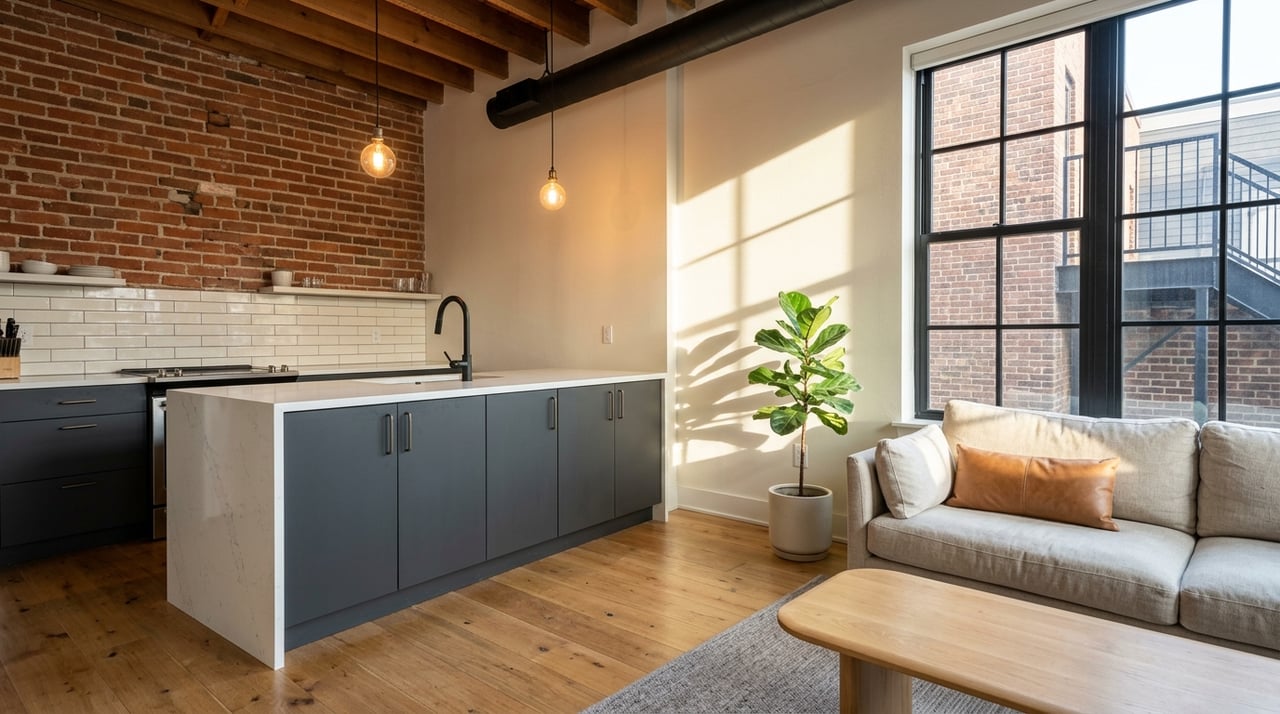
Choosing between Anderson Township and Loveland can feel like splitting hairs. Both offer respected schools, green space, and reasonable commutes to Greater Cincinnati. Still, each place has a distinct rhythm that can shape your day-to-day life. In this guide, you’ll compare schools, commutes, housing, lot sizes, amenities, and costs so you can pick the community that fits your priorities. Let’s dive in.
Quick take: Key differences
- Size and setting: Anderson Township is a larger suburb of about 44,000 residents, while Loveland is a smaller city of about 13,000. This often shows up in the feel of daily life and services. For a quick civic and commute profile of Anderson, see the Census Reporter summary.
- Commute pattern: Average one-way commute times are broadly similar. Anderson trends a touch shorter on average.
- Price and pace: Recent third-party snapshots show Loveland trading at a premium on typical home value with faster market tempo in many months. Anderson often offers more value within similar home types and lot sizes.
- Lifestyle tilt: Anderson leans toward larger multi-park systems and a community RecPlex. Loveland leans toward a walkable historic downtown and the Little Miami Scenic Trail.
Schools: What you can expect
Both communities are served by strong local public districts, which is one reason many buyers keep these areas at the top of their list.
- Anderson Township: Most of the township is served by Forest Hills Local School District. You can review school locations and district resources on the Forest Hills schools page. Recent Ohio report-card coverage placed Forest Hills among higher-rated districts in the region.
- Loveland: The city is served by Loveland City Schools, which also receives strong regional attention for performance. Explore the district lineup on the Loveland Schools site.
Helpful tip: School ratings can change year to year. Boundaries can also shift near township or city lines. Always confirm a property’s exact school assignment with the district and review the current Ohio School Report Card for the most recent data.
Commute and transportation
Your daily drive will depend on where you start and where you go, but the area data gives a practical baseline.
- Average one-way times: Anderson Township’s mean commute is about 23.7 minutes, while Loveland averages about 25 to 26 minutes. These are American Community Survey estimates across all workers and destinations. You can see Anderson’s profile on Census Reporter.
- Driving is dominant: Both communities are car-commuter suburbs. Anderson posts a very high drive-alone share, and Loveland is also car heavy with a measurable work-from-home share. For a modal snapshot of Anderson, see City-Data’s summary.
- Route matters: Access to I-275, I-71, and local state routes is decisive. Test your own work address during peak hours in a maps app to compare door-to-door travel from each community.
Housing prices and market tempo
Different vendors measure prices differently. The key is to watch the trend and label each source.
- Anderson Township pricing and speed: Recent Redfin market snapshots for December 2025 show a median sale price in the low to mid $300,000s, with median days on market often in the 40 to 50 day range during that period. ACS estimates for median owner-occupied value also land in the mid $300,000s. The takeaway is a competitive market with many homes in an accessible move-up price band.
- Loveland pricing and speed: Zillow’s local ZHVI through January 31, 2026 indicates typical home values in the low to mid $400,000s. Other 2025 third-party reports showed median sold prices in the mid $400,000s, and Zillow’s recent median days-to-pending hovered near 18 days. That points to a quicker market overall and a value premium tied to amenities like the trail and downtown setting.
Remember that a city and a township cover different land areas and housing mixes. A ZIP-level or neighborhood-level check can tell a different story for specific streets.
Lot sizes and home types
If outdoor space is on your wish list, both places offer options.
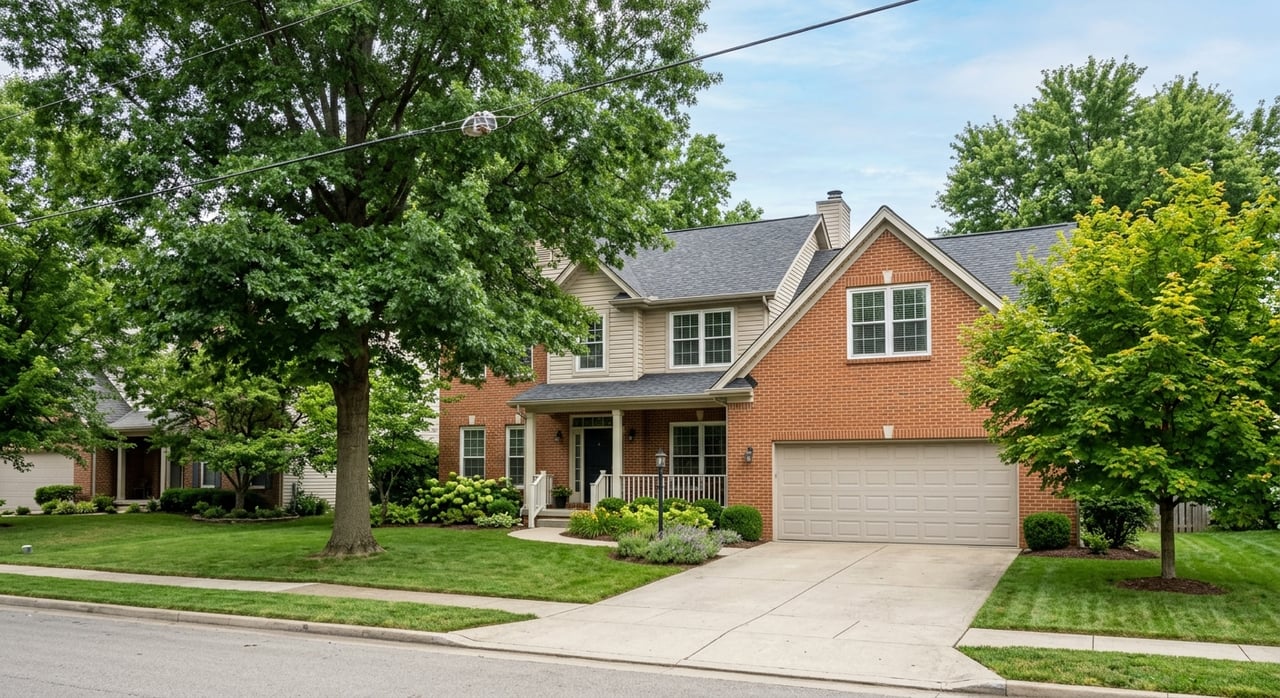
- Typical ranges: Subdivision homes in both communities commonly sit on about 0.15 to 0.5 acre lots. You will also find some larger 1+ acre parcels in outlying or river-valley areas, along with smaller lots near older, close-in blocks.
- Anderson example: A recent Anderson Township listing on Woodcroft Dr showed about 0.46 acres, and another sample on Four Mile Rd illustrated the presence of 2-acre properties in select pockets. This mix is a good proxy for what you might see when you start touring.
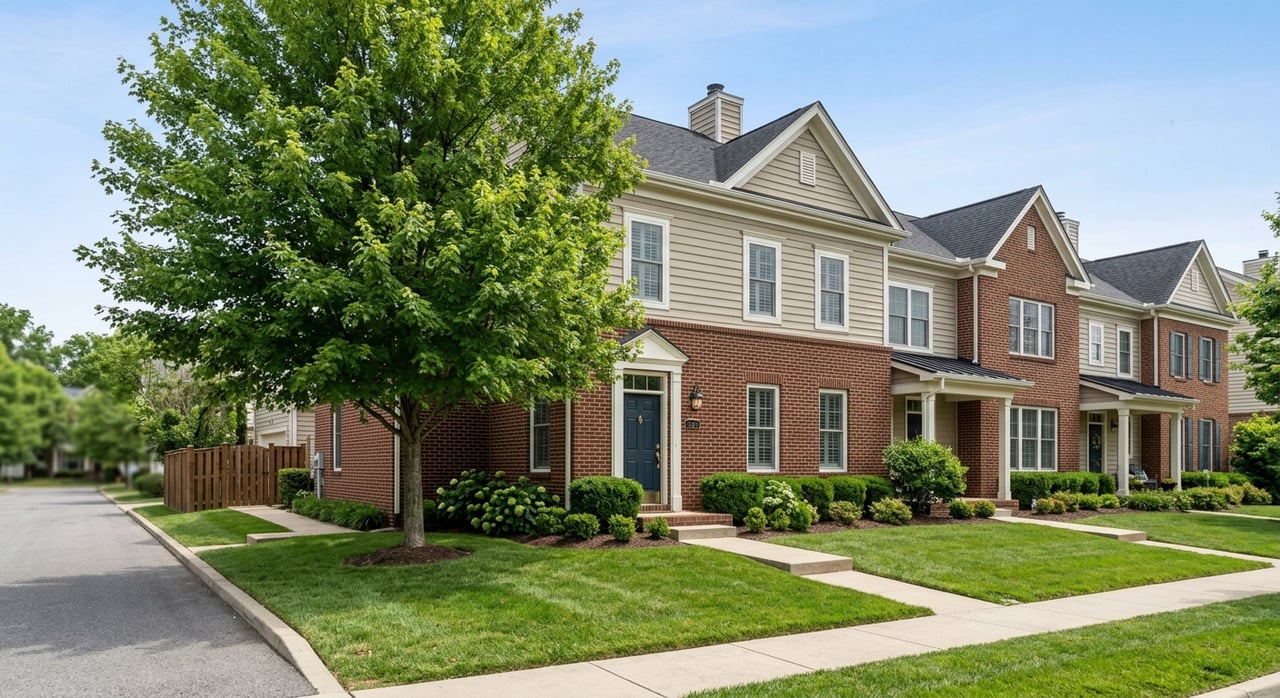
- Loveland pattern: Many Loveland subdivisions feature lots around 0.45 to 0.5 acres, with occasional 1+ acre options in less dense areas.
Practical tip: Instead of chasing a “median lot size,” target your preferred lot range, then filter tours to streets and subdivisions that match. County parcel data or exact MLS details can confirm lot size for any address.
Amenities, parks, and daily life
The amenities you use most often can tip the balance.
- Anderson Township: The Anderson Park District operates multiple parks, fields, and a community RecPlex, plus a network of trails and programs. You can skim an overview in the Anderson Parks FAQs. Retail and dining cluster around Anderson Towne Center. Proximity to regional venues like Riverbend Music Center is a convenience many buyers appreciate.
- Loveland: Loveland is best known for its historic downtown and the Little Miami Scenic Trail, a major draw for biking, running, and casual weekend hangs. The city’s page on the Little Miami Bike Trail highlights access points and local context. River access supports canoeing and kayaking, and the compact downtown offers restaurants and shops steps from the trail.
Rule of thumb: If you picture frequent trail rides, coffee stops, and a walkable main street, Loveland will likely shine. If your week revolves around fields, multi-park programming, and an indoor recreation center, Anderson delivers that playbook.
Taxes and cost of ownership
Property taxes in Ohio vary by county, municipality, and school district levies, which means your monthly carry can change block by block.
- Where it varies: Loveland spans Hamilton, Clermont, and Warren counties. That multi-county footprint can lead to different tax districts within city limits. You can read more about the city’s geography on Wikipedia’s Loveland page. Anderson Township is entirely within Hamilton County.
- Effective-rate context: County and state summaries often show effective rates in the low-to-mid percentage range when expressed as tax paid divided by market value. The exact bill depends on your tax district and voter-approved levies, especially school levies.
- How to check: For a quick planning tool, use the Ohio property tax calculator, then verify the exact number with the county auditor once you have a specific address.
Anderson Hills note within Anderson Township
If you are zeroing in on Anderson Hills within Anderson Township, treat it as part of the broader Anderson decision set. The same themes apply: confirm school boundaries for your exact address, compare your commute to frequent destinations, and calibrate lot size and home type to your goals. When you are ready to tour, we will help you line up streets and subdivisions that match your criteria.
Which fits your goals best
Here is a simple way to frame the decision:
- Choose Anderson Township if you want a larger suburban footprint, strong district coverage through Forest Hills, and access to multiple parks and a community RecPlex. Pricing often lands in the low-to-mid $300,000s for many homes based on recent Redfin and ACS measures, which can stretch your dollars for lot size or square footage.
- Choose Loveland if you value a small-city feel with a walkable historic core, trail-first recreation, and river access. Typical home values trend higher in the low-to-mid $400,000s based on Zillow’s recent ZHVI, with quicker contract timelines in many months.
No two streets are the same. If schools, taxes, or commute time are critical, verify each address on your shortlist before you write an offer.
Weekend tour game plan
Use this checklist to compare communities side by side:
- Morning: Start in Anderson near the park network and RecPlex. Drive sample routes to your workplace during a typical weekday time if possible. Grab a coffee near Anderson Towne Center to get a feel for daily errands.
- Midday: Tour a few homes that match your lot goals. Include at least one subdivision lot and one larger-parcel option if available.
- Afternoon: Head to Loveland’s downtown. Walk a few blocks, sample the Little Miami Scenic Trail, and pause by the river. Notice traffic flow, parking, and how the area feels during peak weekend hours.
- Evening: Review your notes. If one community felt more aligned with how you live, request current market stats and a micro-neighborhood list tailored to your budget.
When you are ready to compare specific homes, connect with the local team that knows the streets, schools, and micro-markets across both communities. At High Watch Home Group, we line up smart tour lists, verify school and tax details, and negotiate with your goals front and center. Schedule a Free Consultation or Get Your Instant Home Valuation.
FAQs
How do schools compare in Anderson Township and Loveland?
- Both areas are served by respected districts. Anderson is primarily served by Forest Hills Local School District and Loveland by Loveland City Schools. Review school lists and resources at the Forest Hills schools page and on the Loveland Schools site, then confirm current Ohio Report Card details and exact boundaries for any address.
What are typical commute times from each community?
- Mean one-way commute times are similar: about 23.7 minutes in Anderson Township and about 25 to 26 minutes in Loveland based on ACS estimates. See Anderson’s civic and commute snapshot on Census Reporter, and always test your own route at peak times.
How do home prices and speed to contract differ?
- Vendor snapshots show Anderson Township with recent Redfin median sale prices in the low-to-mid $300,000s and longer days on market in late 2025, while Zillow’s ZHVI shows Loveland’s typical values in the low-to-mid $400,000s with faster days-to-pending near 18 days in recent reports. Always check the latest local data before you offer.
What lot sizes can I expect in each area?
- Both markets offer subdivision lots around 0.15 to 0.5 acres, plus occasional 1+ acre parcels in outlying or river-valley settings. Older close-in blocks can have smaller lots. Confirm any address with county parcel data or MLS details.
Do property taxes differ a lot between Anderson Township and Loveland?
- They can. Loveland spans three counties, so tax districts vary inside city limits. Anderson is fully in Hamilton County. Use the Ohio property tax calculator for planning, then verify the exact bill with the county auditor for the property you choose.
What should I know about Anderson Hills within Anderson Township?
- Treat Anderson Hills as part of the broader Anderson consideration set: verify school assignment and tax district for the exact address, test commute routes you will use most, and align lot size and home type with your goals. A targeted tour plan will clarify fit quickly.