Thinking about buying a condo in Over-the-Rhine but unsure how the HOA part actually works? You’re not alone. Between monthly fees, rules, and historic building quirks, it can feel confusing fast. This guide breaks down what OTR condo HOAs cover, how to read fees and reserves, what rules to expect, and the key documents to review before you make an offer. Let’s dive in.
What an HOA is in OTR
A condominium HOA is the legal entity that manages a building’s common elements and enforces the declaration, bylaws, and rules. As an owner, you are a member and you pay regular assessments that fund maintenance, insurance, and long-term repairs. You also have voting rights on major decisions.
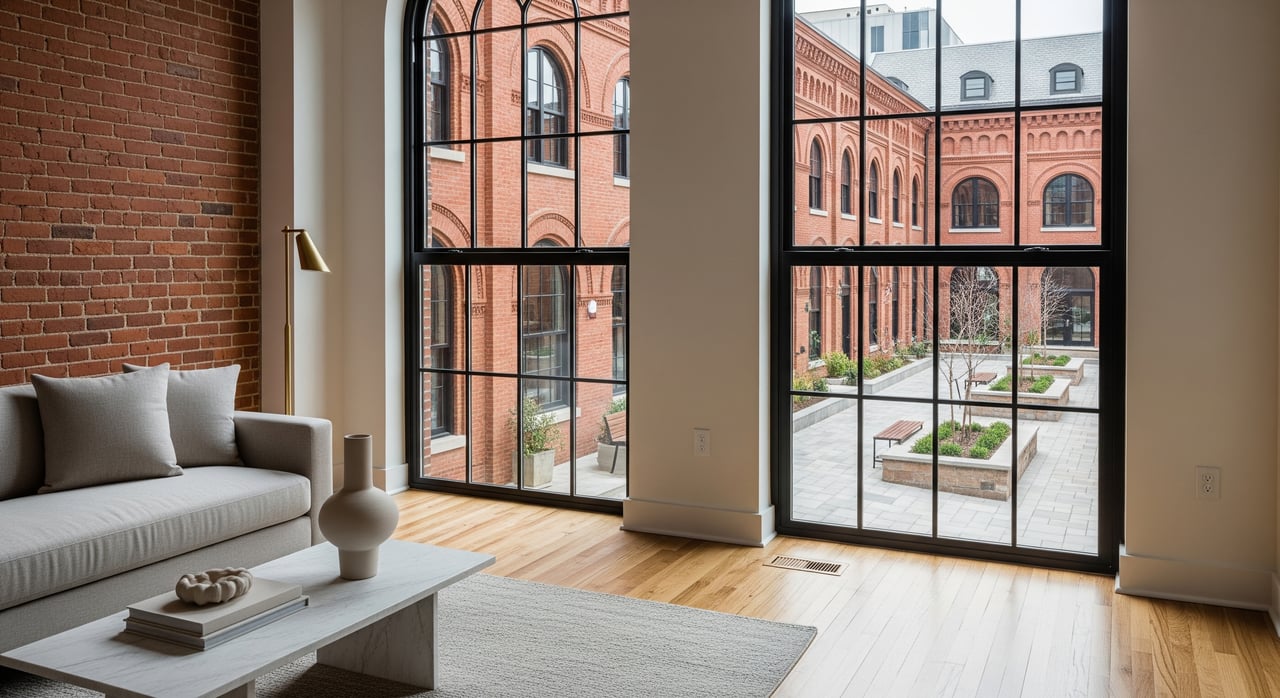
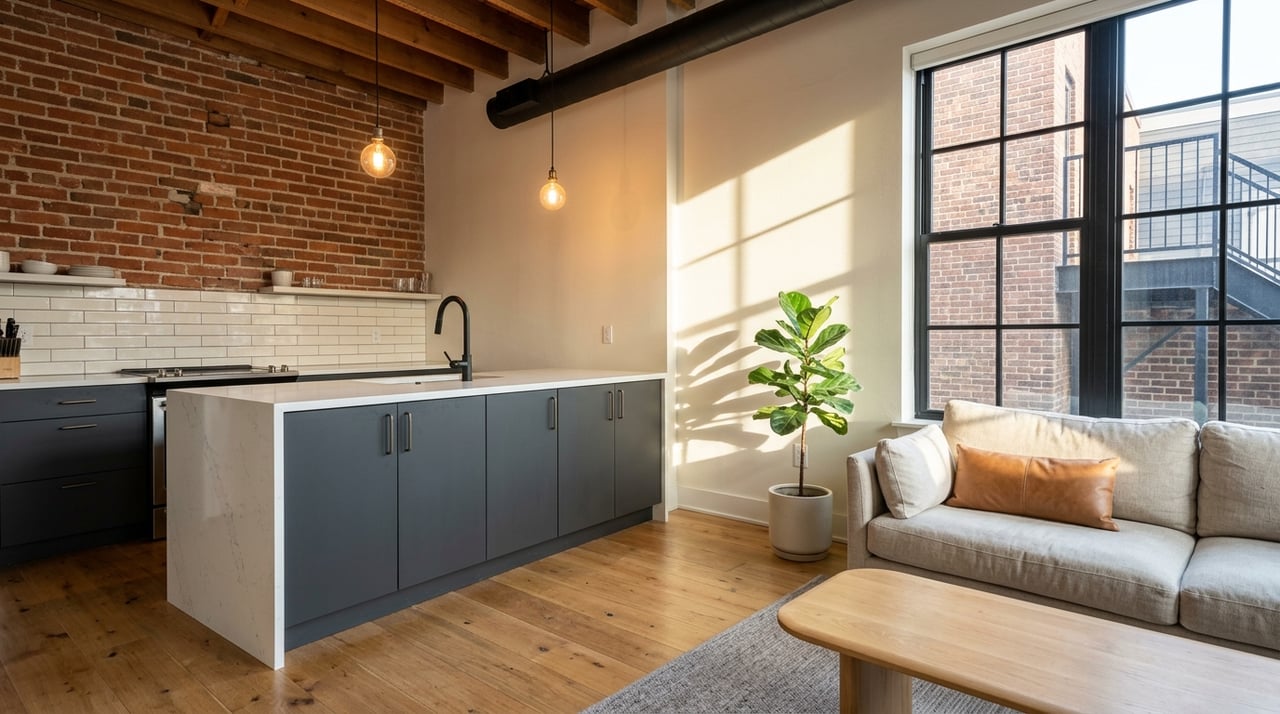
In Over-the-Rhine, many condos sit in historic conversions like lofts and repurposed warehouses. That means unit boundaries and responsibilities can vary by building. The declaration spells out what the HOA handles versus what you handle inside your unit. Older buildings also tend to have higher long-term capital needs for roofing, masonry, elevators, and shared mechanicals.
What HOA fees typically cover
Every association is different, but most OTR HOA budgets include:
- Building and common-area maintenance, including halls, stairs, roof, façade, and elevators
- Utilities for common areas and sometimes unit utilities if bundled (often water or heat)
- Master insurance for common elements and general liability
- Property management company fees, if professionally managed
- Trash removal, cleaning, landscaping, snow removal, and parking upkeep
- Security or controlled-access systems in some larger buildings
- Service contracts for HVAC, elevators, and shared systems
- Reserve fund contributions for future capital repairs
- Administrative, legal, accounting, taxes, and any HOA payroll
Whether your personal utilities are included depends on the building. Some condos bundle water and heat, while others bill each owner separately.
Typical dues in Over-the-Rhine
Monthly HOA fees in OTR vary based on building size, amenities, age, and what is included. As a general estimate, many OTR condos and lofts fall in the range of about $150 to $800 or more per month. Smaller buildings with few services are usually on the lower end. Buildings with elevators, doormen, covered parking, or bundled utilities lean higher.
These ranges are illustrative only. Always confirm actual dues by reviewing the current budget and the resale or estoppel certificate provided during your due diligence.
Reserves and special assessments
Reserve funds are savings set aside for major repairs like roofs, façades, boilers, elevators, and parking structures. A professional reserve study estimates useful life, replacement costs, and recommended annual contributions to stay on track.
In OTR’s older and historic buildings, fully funded reserves are especially important. Red flags include no reserve study, very low reserve balances, frequent special assessments, or repeated budget shortfalls. If reserves are inadequate and a big project hits, the HOA may levy a special assessment or borrow funds to cover the work.
Ask for the association’s history of special assessments and whether any are planned. Review the reserve study and recent meeting minutes for upcoming projects.
Rules, use restrictions, and historic review
Most urban condo associations set rules to keep the building safe and consistent. Common rules include:
- Exterior changes and façade alterations often require HOA approval
- Window and door replacements with required materials or colors
- Balcony and grill rules that address safety in older masonry structures
- Pet policies related to number, size, and deposits
- Noise and nuisance standards that fit dense urban living
- Parking rules for assigned spaces and guests
- Storage and trash policies for basements, attics, and bulk items
- Short-term rental restrictions; many HOAs regulate or prohibit STRs
- Smoking rules and amenity reservation policies
Over-the-Rhine is a historic district. Exterior changes typically require city historic review and a certificate of appropriateness. Even if the HOA allows something, you still need to comply with city approvals and permits. Short-term rentals may also be subject to city licensing or registration, in addition to any HOA restrictions. Verify current rules with both the HOA and the city before you plan STR use.
Unit vs HOA maintenance responsibilities
Your declaration defines unit boundaries. In many OTR conversions, owners are responsible for interior walls and finishes, and often for interior mechanicals that serve only their unit. The association is typically responsible for structural components, exterior walls, the roof, and shared systems.
Pay close attention to gray areas. In older buildings, it is essential to clarify responsibility for windows and sills, interior plumbing pipes inside walls, shared boilers, and historic masonry. The declaration and any rules or amendments control who fixes what and who pays.
Management quality matters
Some smaller associations manage themselves. Most multi-unit buildings in OTR use a professional property manager. Management quality can affect maintenance responsiveness, budgeting discipline, vendor oversight, and communication.
If you can, speak with the property manager or a board member. Ask about upcoming projects, financial reporting, and how they handle maintenance requests. Manager turnover or poor financial reporting can be warning signs.
Documents to review before you buy
Request these during your due diligence. A real estate attorney or experienced agent can help you review them. Many are included in the resale or estoppel package.
- Declaration of Condominium and exhibits (plats, surveys) to define unit boundaries and responsibilities
- Bylaws and Articles of Incorporation for governance and voting
- Rules and Regulations for pets, rentals, alterations, noise, and parking
- Current year budget and the most recent financial statements
- Reserve study or engineer’s report; lack of a study in an older building is a caution point
- Board and annual meeting minutes for the last 12 to 24 months
- Master insurance certificate and policy summary, including deductibles and coverage type
- Assessment history, plus any pending or planned special assessments
- Delinquency report that shows owner arrears and cash flow risk
- Management contract details, including fees and termination terms
- Litigation disclosures and insurance claims history
- Inspection or service reports for roofs, elevators, boilers, and structural elements
- Any amendments to the declaration or bylaws, plus condo plats and unit surveys
What to look for while reviewing:
- Reserve balance vs. the reserve study’s recommendations
- Adequate reserve contributions in the annual budget
- Planned capital projects and timelines discussed in minutes
- Year-over-year dues increases and reasons, such as insurance or utilities
- Signs of deferred maintenance in reports or minutes
- Any side agreements that do not match the recorded documents
Smart steps for OTR condo buyers
Use this simple process to protect your interests:
- Request the resale or estoppel packet early to review budgets, insurance, rules, and fees.
- Have a real estate attorney review the declaration, bylaws, rules, and estoppel or resale certificate.
- Read the financials and reserve study. If the building is older and no study exists, consider an independent engineer assessment.
- Inspect the unit and, if needed, request inspections for building systems given the age and condition.
- Speak with the property manager or board about projects, assessments, and management practices.
- Confirm master insurance coverage and secure your HO-6 policy for interior improvements, personal property, and liability.
- Verify historic-preservation and permitting requirements for any planned changes.
- Confirm rental and short-term rental rules before relying on any rental income.
Key questions to ask the HOA or manager
Bring this checklist to your next showing or call:
- What does the monthly fee include, and which utilities are bundled?
- How much is in reserves today, and how does that compare to projected needs?
- Is there a recent reserve study? What major projects are coming and when?
- Has the HOA levied special assessments in the last five years? Are any planned now?
- What is the current owner delinquency rate?
- Are there pending lawsuits or insurance claims?
- Who maintains and pays for windows, interior plumbing, heating equipment, balcony railings, and masonry?
- What are the rules for rentals, short-term rentals, pets, and exterior alterations?
- Who is the master policy insurer, and what is the deductible and coverage type?
Common pitfalls to avoid
- Assuming rules will be flexible. In a historic district, approvals are strict and timelines can be longer.
- Overlooking reserves. Older buildings can face big-ticket items; underfunded reserves often lead to special assessments.
- Ignoring delinquency and litigation. High arrears or pending lawsuits can impact your costs and future sale.
- Misunderstanding insurance boundaries. Confirm what the master policy covers versus your HO-6 responsibilities.
- Counting on short-term rental income. Check both HOA rules and current city requirements before you plan it.
Buying a condo in Over-the-Rhine can be a smart move if you go in informed. When you understand the HOA’s finances, rules, and responsibilities, you avoid surprises and enjoy the urban lifestyle you want. If you would like help reviewing documents, comparing buildings, or navigating historic and city approvals, reach out to the local experts at High Watch Home Group. We’ll walk you through each step so you can buy with confidence.
FAQs
What do OTR condo HOA fees usually include?
- Most cover common-area maintenance, master insurance, management, shared utilities for common spaces, reserve contributions, and services like trash and cleaning; some also bundle water or heat.
How much are HOA dues in Over-the-Rhine?
- Dues vary by building, amenities, age, and what is included; as a general estimate, many OTR condos range from about $150 to $800 or more per month.
How do historic rules affect renovations in OTR condos?
- Exterior changes often require both HOA approval and city historic review with a certificate of appropriateness, even if your declaration allows the change.
What is a reserve study and why does it matter?
- A reserve study estimates the life and cost of major components and sets recommended savings; it helps prevent surprise special assessments for big projects.
Can I do short-term rentals in an OTR condo?
- Many HOAs restrict or prohibit short-term rentals, and the city may require licensing or registration; confirm both HOA rules and city requirements before buying.
Which documents should I review before making an offer?
- Focus on the declaration, bylaws, rules, budget, financials, reserve study, meeting minutes, insurance certificate, assessment history, delinquency report, management contract, and any litigation disclosures.