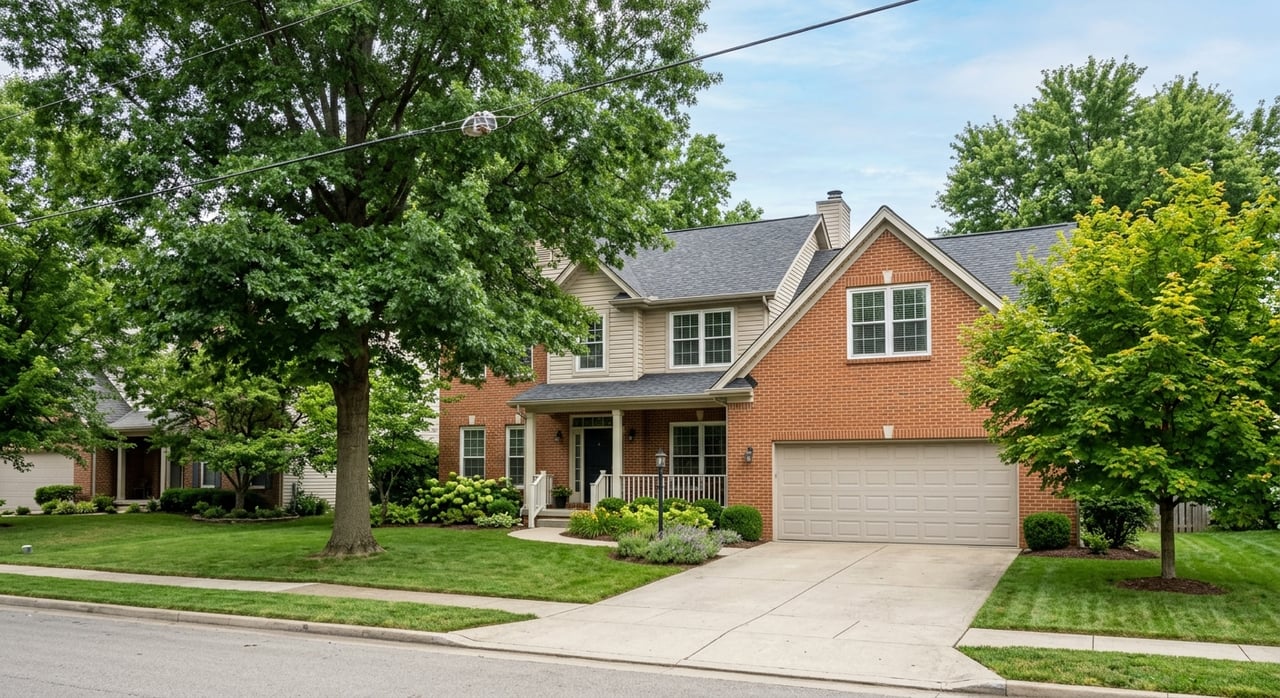
Choosing Your First Cincinnati Neighborhood As A Homebuyer
If you are buying your first home in Cincinnati, one big question can feel harder than the mortgage math: which neighborhood actually fits your life? A neighborhood name can give you a rough idea, but in Cincinnati, the block-by-block details often matter more. This guide will help you compare your options in a practical way so you can choose a first neighborhood with more confidence. Let’s dive in.
Before you fall in love with a porch, a brick facade, or a great kitchen, think about how you want to live day to day. Your commute, your transportation habits, and your comfort with older homes can shape which part of Cincinnati makes the most sense.
For many first-time buyers, the best fit comes down to three things: how you get around, what type of home you want, and how much repair or renovation work you are willing to take on. When those three line up, your neighborhood search gets much easier.
Cincinnati gives buyers a useful advantage: the city publishes planning tools that let you compare areas with more precision. Neighborhood plans approved by City Council, along with zoning, historic-resource, and neighborhood-center maps, can help you understand what a specific area is really like.
That matters because one neighborhood name can cover very different housing patterns and street experiences. A few blocks can change how walkable a place feels, what kinds of buildings you see, and whether future exterior changes may need special review.
If you want to live car-light, focus on actual transit access instead of broad reputation. Cincinnati has a range of neighborhood patterns, from dense urban streets to more auto-oriented close-in suburbs.
The Connector streetcar runs a 3.6-mile fare-free loop linking The Banks, Downtown, and Over-the-Rhine. It runs in regular traffic, so it is best understood as a strong local connector rather than a separated rail line.
Metro service also varies by corridor. Some routes offer frequent or even 24/7 service, while others do not, so it helps to check the route that serves the exact area you are considering.
Over-the-Rhine has direct streetcar access to Downtown and the riverfront. If you want a highly urban setting with easy connections to major central-city destinations, that can be a strong plus.
Clifton and nearby areas also stand out for access. Metro Route 17 provides 24/7 service through Downtown, Uptown, Clifton, Northside, North College Hill, Mt. Healthy, and Seven Hills, and Route 19 links Downtown, Mt. Auburn, Uptown, Northside, Mt. Airy, Groesbeck, and Northgate.
Cincinnati neighborhoods often differ as much by building form as by location. That is especially important if you are deciding between an urban condo-style setting, a detached home, or a small multi-family property.
Older neighborhoods can offer a lot of character, but they also come with different layouts, lot patterns, and maintenance needs. Looking at the housing stock can tell you more than the ZIP code alone.
OTR is one of Cincinnati’s clearest examples of a dense, historic urban neighborhood. City guidelines describe many buildings there as narrow brick structures, typically between two and five stories, often with strong vertical lines and commercial or mixed-use storefronts.
In denser commercial areas such as Vine Street, buildings have no setbacks. That creates a distinctly urban feel, with more street presence and less of the yard-and-driveway pattern many first-time buyers may know from suburban areas.
Clifton offers a more mixed housing pattern. According to the city’s current planning analysis, about 41% of housing units are medium-scale apartments, 32% are detached single-family homes, 17% are two- to four-family homes, and 10% are large-scale apartments.
The same analysis shows that 55% of Clifton’s housing units were built before 1940. For a first-time buyer, that means you may find a wider range of home types and price points, but you should also expect older-home quirks to be part of the search.
If you want to stay near Cincinnati while changing the housing feel, close-in suburbs can be worth a look. Norwood describes itself as a small enclave in the heart of Greater Cincinnati with a central location and strong transportation accessibility.
Fairfax is another example east of Cincinnati, surrounded by Oakley, Mariemont, and Madisonville. For some first-time buyers, these areas offer a helpful middle ground between urban access and a different residential pattern.
It is easy to be charmed by an older Cincinnati home. But before you assume you can update it however you want, make sure you understand whether the property is in a local historic district or has local historic designation.
In Cincinnati, exterior changes to locally designated landmarks and properties in local historic districts require a Certificate of Appropriateness. Those requests are reviewed by the Historic Conservation Board using district-specific guidelines.
Interior changes are not reviewed by the Historic Conservation Office. It is also important to know that historic designation does not change land use, while zoning does.
For buyers considering OTR, this issue deserves extra attention. Because it is a well-defined historic district with specific exterior guidelines, renovation plans should be checked early, ideally before you make an offer.
If you like the character but do not want added review for exterior work, that may affect which blocks or property types make the most sense for you.
For first-time buyers, budget matters, but comparing neighborhoods by reputation alone can be misleading. In Cincinnati, it is often more useful to compare homes by type, age, and condition.
A smaller updated home in one area may fit you better than a larger property that needs major work in another. The right comparison is not just purchase price. It is the full package of condition, likely repairs, and how well the home supports your routine.
One of the smartest ways to narrow your search is to do a little homework before you book showings. Cincinnati and Hamilton County offer public tools that can help you spot red flags and compare homes more clearly.
A practical workflow starts with parcel and zoning data, then moves to permit and service history, and then ends with transit access. That approach helps you evaluate not just the home, but the context around it.
The Hamilton County Auditor provides parcel records and property sales data. Its property search tools also support filters such as sale price, transfer date, year built, square footage, acreage, bedrooms, and stories.
The search tips recommend using the street name without the suffix and exact address ranges for more precise results. That can save time when you are comparing several homes in the same part of the city.
Cincinnati’s planning map page lists layers such as zoning by neighborhood, historic resources and districts, transportation corridors, flood plains, and neighborhood centers. The city notes that the most current zoning versions are available through CAGIS Online.
This can help you understand whether a home sits in a historic area, near a major transportation corridor, or in a part of the city with a different future development pattern than you expected.
For older homes, it is worth checking whether the address has a history of complaints or repairs. Cincinnati’s 311 system and CAGIS property activity tools allow users to search requests and activity by address.
The Property Maintenance Division handles blight, housing-code issues, and zoning complaints. For buyers, this can reveal recurring concerns tied to exterior upkeep, illegal use, or maintenance patterns.
If a property seems heavily updated or likely needs work, check the Permit Center. The city describes it as a single point of contact for homeowners, bringing together staff from multiple departments, and it reports that more than half of permits are issued the same day.
That does not replace professional inspections or your buying strategy, but it can help you understand what kind of permit work may be involved.
If you are feeling stuck, start by sorting your options into three broad patterns:
This approach will not choose the home for you, but it can help you focus your search faster and with fewer surprises.
Your first Cincinnati neighborhood does not need to be the “perfect” one. It needs to fit your commute, your housing style, and your renovation comfort level well enough to support the life you want right now.
That is why the best first move is often not chasing a neighborhood label. It is comparing the actual block, property condition, transit access, and local rules that shape your day-to-day experience.
If you want a local guide to help you compare Cincinnati neighborhoods, weigh tradeoffs, and search with clarity, High Watch Home Group is here to help.
Stay up to date on the latest real estate trends.
Whether working with buyers or sellers, High Watch Home Group provides outstanding professionalism into making they're client’s real estate dreams a reality. Get assistance in determining current property value, crafting a competitive offer, writing and negotiating a contract, and much more. Contact them today.